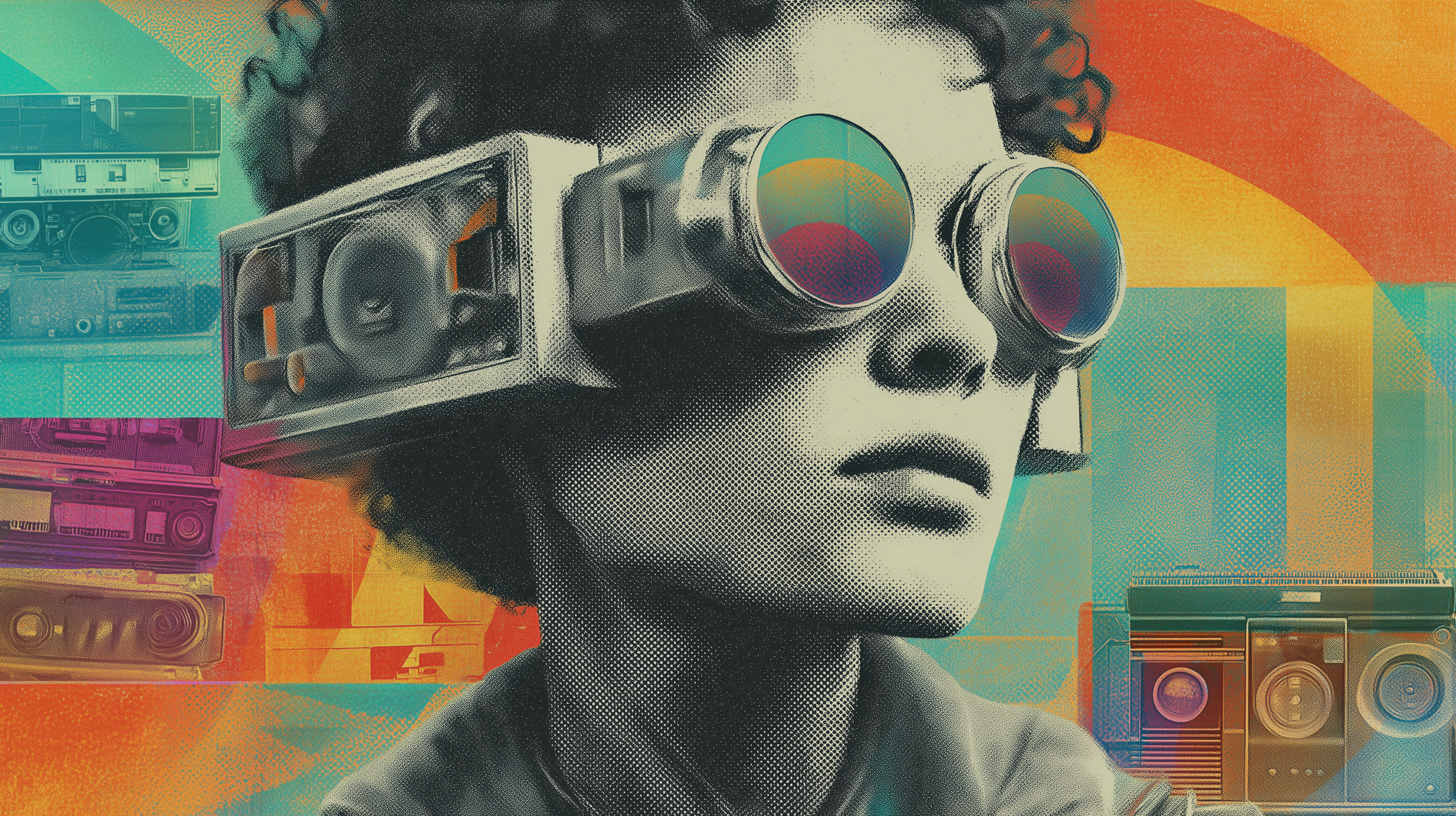
The Evolution of Sound in Communication
How did sound become a brand language?
Long before the term Sound Branding existed, brands were already using sound and music, but in a random way. At the beginning of the 20th century, radio became the first sonic stage for companies. There was no image and no visual interaction. Voice, music, and sound effects were the only channel of communication.
In this context, sound was merely a complement. Announcers became recognizable through their voices, jingles were easily memorized to sell products, and brands started to be remembered through the repetition of these short tunes.
Radio taught something fundamental that still holds true today: sound can create intimacy between brands and people.
What role did jingles play in the evolution of sound in communication?
From the 1930s to the 1970s, jingles became the main sonic instrument of brands. They were short songs, easy to memorize, and repeated relentlessly. The goal was clear: to fix the brand name in the consumer’s mind.
At the link below, you can listen to the first jingle ever produced on record, in 1926 in the United States, as well as the first jingle produced in Brazil for a bakery:
This was when it became clear that sound could be powerful in communication, although the concept of sonic identity was not yet understood. Even intuitively, brands began to realize that rhythm, melody, and timbre influence perception, emotion, and memory.
Over time, however, excessive repetition made many jingles intrusive. Audiences began to reject overly aggressive approaches, opening space for a more sensitive evolution in the use of sound.
When did Sound Branding emerge?
The turning point came with the digitization of communication. From the 2000s onward, brands began to express themselves across multiple touchpoints: websites, social media, apps, videos, games, service systems, and increasingly sensorial physical environments.
In this fragmented scenario, the need for coherence emerged. It was no longer enough to have a jingle or an isolated soundtrack. It became necessary to create a sonic system. This is how Sound Branding was born as a strategic discipline, connecting music, voice, effects, and silence into a unique sonic identity.
Zanna founded Zanna Sound with the clear mission of creating Sonic Identities for brands. She was living in the United States when she came up with the idea of Sound Branding, as she was deeply uncomfortable with the lack of strategic use of sound in advertising films on television.
"People looked at me as if I were an alien when I presented Sound Branding to agencies in New York"
This led her to the idea of creating brand sound that could stay in people’s ears. But she did not stop at creating only a Sonic Logo. She developed her own Sound Branding methodology, which includes a strategic umbrella of sounds designed to address different brand communication needs. Multiple musical assets to be applied across various media used by companies, such as Music, Sonic Logo, Brand Voice, and the Verbal Tone of the spoken voice.
At the same time, other companies in Germany began developing Sonic Identity projects in parallel with Zanna Sound in Brazil. As a result, sound started to be designed to impact people cognitively while also generating pleasant and emotional experiences.
Sound guides, welcomes, informs, and creates bonds. The concept of Sound UX also emerged, in which every sonic interaction is designed to facilitate the user journey.
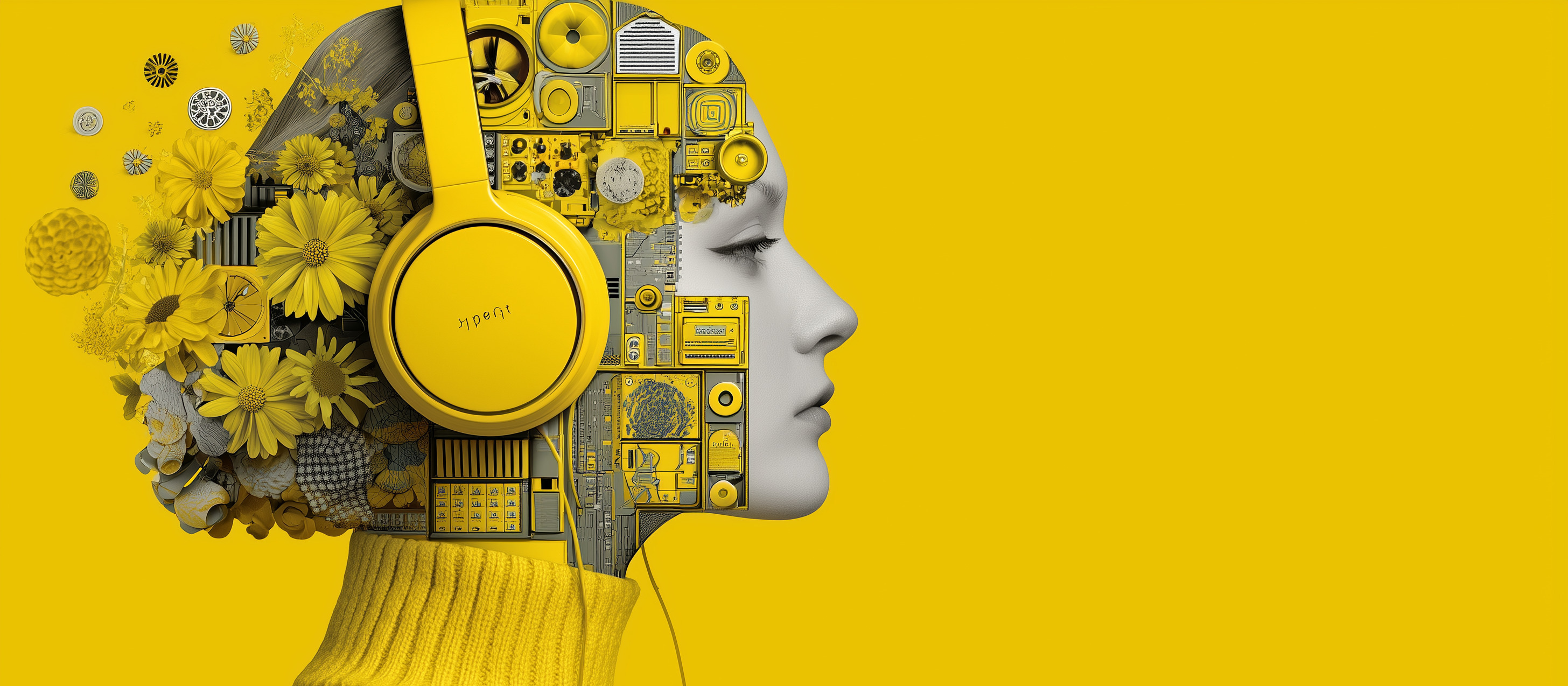
How did streaming and mobile devices change everything?
With streaming, sound became even more personal. People began listening to music through headphones, in intimate moments, at the pace of their own routines. This required brands to adopt a more respectful and contextual approach.
This is where concepts such as music curation, playlists, in-store background music, and commercial ambient music come into play, all designed strategically and aligned with brand characteristics. Sound stops being imposed and starts being chosen. Brands must earn the right to be heard.
As a result, Sonic Identity expands. It no longer lives only in television commercials or advertising, but also in the IVR (interactive voice response), on social media, in stores, in apps, and across physical and virtual brand environments, creating a continuous experience with the consumer.
Where is Sound Branding headed?
The future of Sound Branding is to guide brands toward increasingly ethical communication and toward a more sensory and increasingly healing approach. Immersive technologies, artificial intelligence, and invisible interfaces will demand even greater sensitivity in the use of sound.
Beyond recognition, Sound Branding already enables the creation of genuine emotional connections with people. However, brands are still not fully aware of the power sound has to heal. More and more, companies will become interested in promoting healing and well-being. In this context, sound will be their strongest ally, and Sound Branding strategies will increasingly be based on sound as a tool for caring for their audiences.

If you connected with the topic of the evolution of Sound Branding and want to learn more about how to explore sound as a strategic language in new technologies and digital touchpoints, talk to us.

Next article
Sound Vibration and Cellular Regeneration
What does science already know about the impact of sound in the body? Research indicates that sound vibrations can accelerate cellular regeneration.
Read more