Sound Vibration and Cellular Regeneration
Does sound influence biological processes?
Sound is not only something we hear. It is a mechanical vibration that propagates through air, water, and body tissues. This physical property means that, in addition to affecting emotions and behavior, sound can also interact with biological structures.
In recent decades, different fields of science have begun to investigate how acoustic and mechanical vibrations can influence cellular function. This area of study is not new, but it has received more attention with advances in technologies capable of applying specific frequencies in a controlled manner.
What does science know about sound vibration and cellular regeneration?
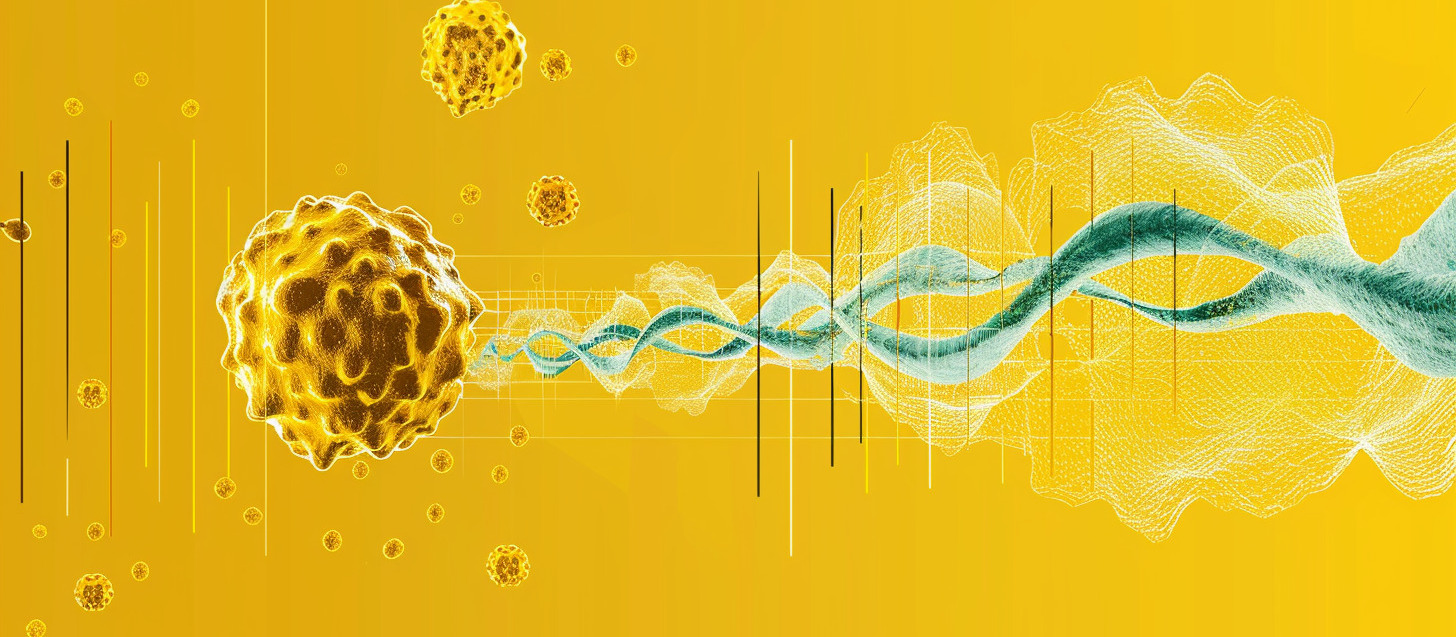
When we talk about sound vibration in biomedical research, we are not referring to music as an aesthetic experience, but to low-frequency acoustic waves, usually applied in a localized and controlled way.
These waves produce microvibrations in tissues, which can stimulate mechanical responses in cells. The theoretical basis lies in mechanotransduction, a process by which cells convert physical stimuli into biochemical responses.
In other words, cells perceive movement, pressure, and vibration, and respond to these stimuli by changing their behavior.
What types of frequencies were used in research?
Some studies worked with low-frequency acoustic waves, generally between 40 Hz and 120 Hz, applied directly or through mechanical vibration devices. Results observed in certain contexts include:
– Reduction of inflammatory markers
– Faster closure of chronic wounds
– Increased tissue oxygenation
– Improved organization of the cellular matrix
It is important to note that these effects are neither universal nor automatic. They depend on intensity, duration of exposure, tissue type, and the physiological state of the organism.
Does sound “wake up” cells?
Some researchers use metaphors to explain these effects, describing sound vibration as a stimulus that helps cells “organize themselves” more effectively.
From a scientific perspective, what occurs is rhythmic mechanical stimulation, capable of influencing collective cellular behavior. This type of stimulus can support cellular communication and coordination of repair processes.
This is not sound-based healing, but modulation of biological processes that already exist.
Where is this knowledge already applied?
The idea of using vibration to stimulate the body is not exclusive to sound. Technologies such as:
Therapeutic ultrasound, shockwave therapy, and low-intensity vibrational stimulation are already used in physiotherapy and regenerative medicine, always with specific protocols and professional supervision.
Research on sound vibration fits within this same field, exploring how frequencies can support the body’s natural processes.

What can we learn from this?
That sound is not only communication or entertainment. It is a physical, emotional, and biological phenomenon. Understanding this impact broadens the way we think about sound experiences, well-being, and even care and recovery environments.
More than promising outcomes, this field invites listening. Listening to the body, to science, and to the boundaries between what we already know and what we are still learning.

If you connected with the topic of sound vibration and cellular regeneration and want to learn more about how sound can influence perception, well-being, and sensory experiences, talk to us.

Next article
Sonic Consistency
How to apply a brand’s sound assets across all touchpoints to ensure sonic consistency and a strong brand presence…
Read more