
Rio Metro: From Sonic Identity to the Song That Moves a Million Hearts
What lies beyond the voice of Rio Metro’s trains and stations?
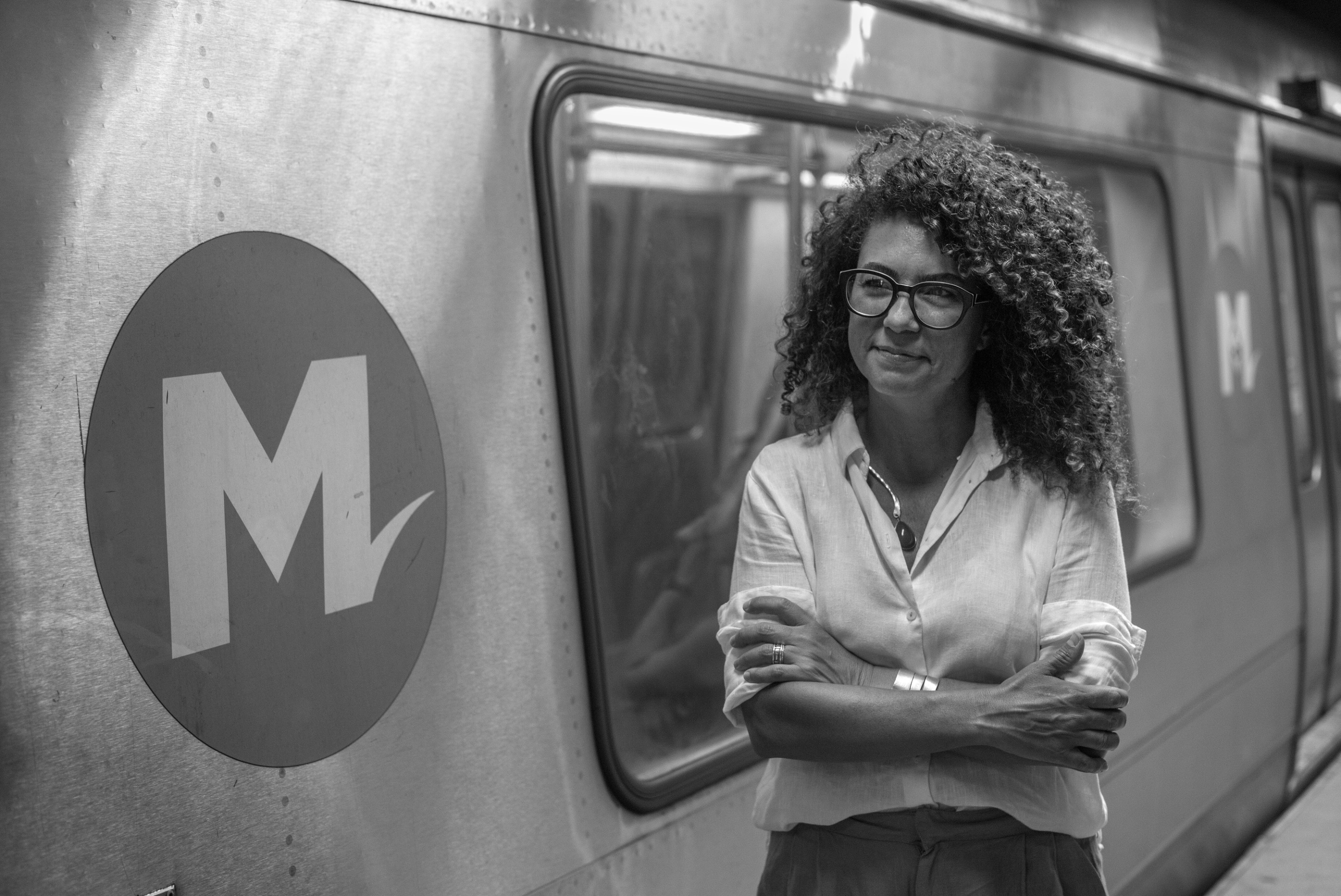
The voice that guides thousands of passengers every day is no longer a mystery. Zanna, CEO of Zanna Sound, has been doing this since 2011. She also created the Sonic Identity project and composed the theme music. For 15 years, she has managed the daily communication in the trains and stations of MetrôRio. What many people didn’t know is that the voice that speaks also sings and composes beautifully.
If before the sound was an iconic and engaging signal for arrivals and departures, it now gains even more life as a song that was already familiar but now receives a new arrangement with lyrics inspired by real stories of those who experience the metro every day.
The chorus captures the spirit of this transformation:
"In the rhythm plays the sound, the signal, this voice. I love this station in the ears of a thousand hearts In the composition"
The announcement, celebrated in O Globo’s feature, marks a new chapter in the pioneering sound identity project of Rio Metro, launched in 2011 and now recognized worldwide as a benchmark in Sound Branding. The song now strengthens the connection between brand, art, and audience, translating into music the affection the metro has sparked in the people of Rio.
How did the sonic identity begin?
The story started with a simple question: How do you turn public transport into a sonic and emotional experience?
In 2009, Zanna approached MetrôRio to point out that the company needed her agency, even though they didn’t know it yet. After returning from Europe, she noticed classical music playing in the stations, and felt that Vivaldi didn’t exactly match Rio’s 40°C (100°F) heat. The challenge was convincing a company with no strong marketing structure at the time to embrace this project.
Zanna Sound, the agency founded by Zanna, a singer, composer, and music producer with three Latin Grammy nominations, waited two years to finally put the project into practice. Its mission: create a sonic identity that was functional, welcoming, and as strong a brand element as the metro’s visual logo.
This gave birth to the complete and iconic Rio Metro sound experience, featuring music with a light, carioca-style arrangement, sophisticated yet accessible. From this came sonic logos to introduce everything the brand’s voice, Zanna, had to say. Beyond serving as functional alerts and fulfilling the mission of communicating with audiences, this soundscape has embraced and marked generations of passengers. Unlike mechanical, impersonal alerts, it brought humanity, warmth, and Brazilian identity, in dialogue with Rio’s culture.
Her calm, clear, and relaxed carioca interpretation became a symbol of hospitality, to the point of being recognized as the “official voice” of the city. Millions of passengers heard it daily, unaware the narrator was also an artist.
A project of this scale takes many hands: the consistency and strategy of the concessionaire operating Rio Metro, especially its marketing team, have been essential to making the project increasingly relevant and creating emotional bridges between brand and audience through music.
How was the song Metrô do Rio born?
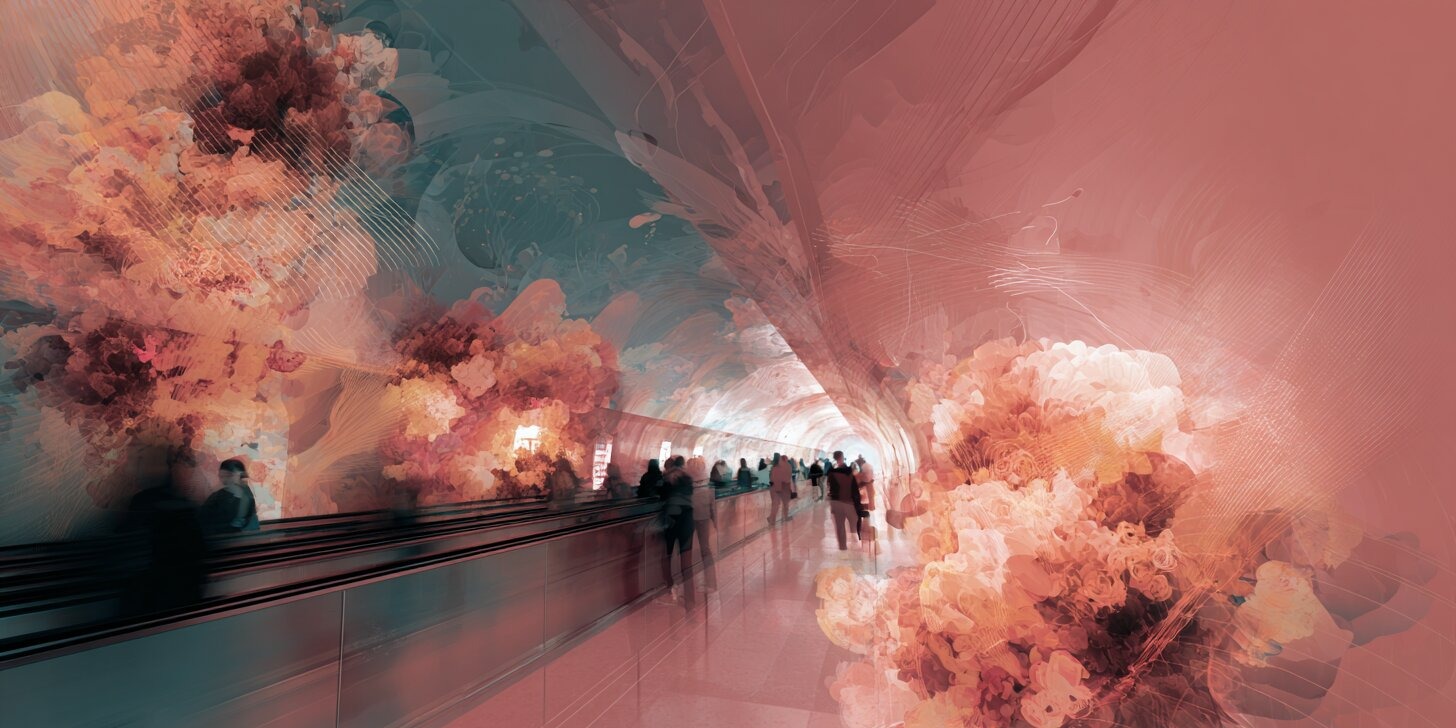
Nearly 15 years later, that same voice reveals a new dimension: now it sings. The song “Metrô do Rio”, featured on Zanna’s album Reflexo, celebrates urban life and the stories that intersect on the metro tracks.
Zanna had long wanted to give lyrics to the already famous tune, but despite countless attempts, the words never came—until she began recording her second album, Reflexo. Inspired by the daily life of frequent riders, each verse captures meetings and goodbyes, flirtations, and the affections formed on platforms and trains, proving the metro is more than transportation, it’s a stage for human experiences:
"In Tijuca, Pavuna, Acari Colégio, Inhaúma I slept Missed my station and turned back the wrong way"
By adding lyrics to the instrumental track, the project goes beyond functionality and emotional connection. It elevates the metro’s theme music to the level of art. It’s no longer just the sound of announcements, parties, graduations, bars, and jam sessions, it’s the soundtrack of real lives. The voice that once discreetly guided passengers now turns their journeys into poetry, in a song that is part of a professional music album.

What does the song mean for the metro, Zanna, and the public?
For Zanna, the moment is deeply symbolic. It’s as if her personal story, from a girl who started composing at 13 to an artist researching sonic consciousness and the impact of music on life, merged with the city’s identity.
For Rio Metro, the initiative strengthens a pioneering brand in experiential branding, something rarely seen worldwide. Few companies have managed to transform an essential service into a collective emotional asset. The theme, the sonic logos, and her voice were already widely recognized, but the song amplifies this connection, taking the relationship among these three players to a new level. It transcends marketing and enters the realm of art tied to brand identity.
And for the public? The song is a gift. Cariocas see themselves in it: in the chorus rhythm, in the lyrics about everyday life, and in the voice that has always been present but now reveals itself as a singer. Passengers report feeling pride, belonging, and emotion when they hear it. The metro, already part of their routine, now takes an even bigger place in their hearts—while gaining a new artist on the music scene.
Where did the pioneering spirit of Sound Branding begin?
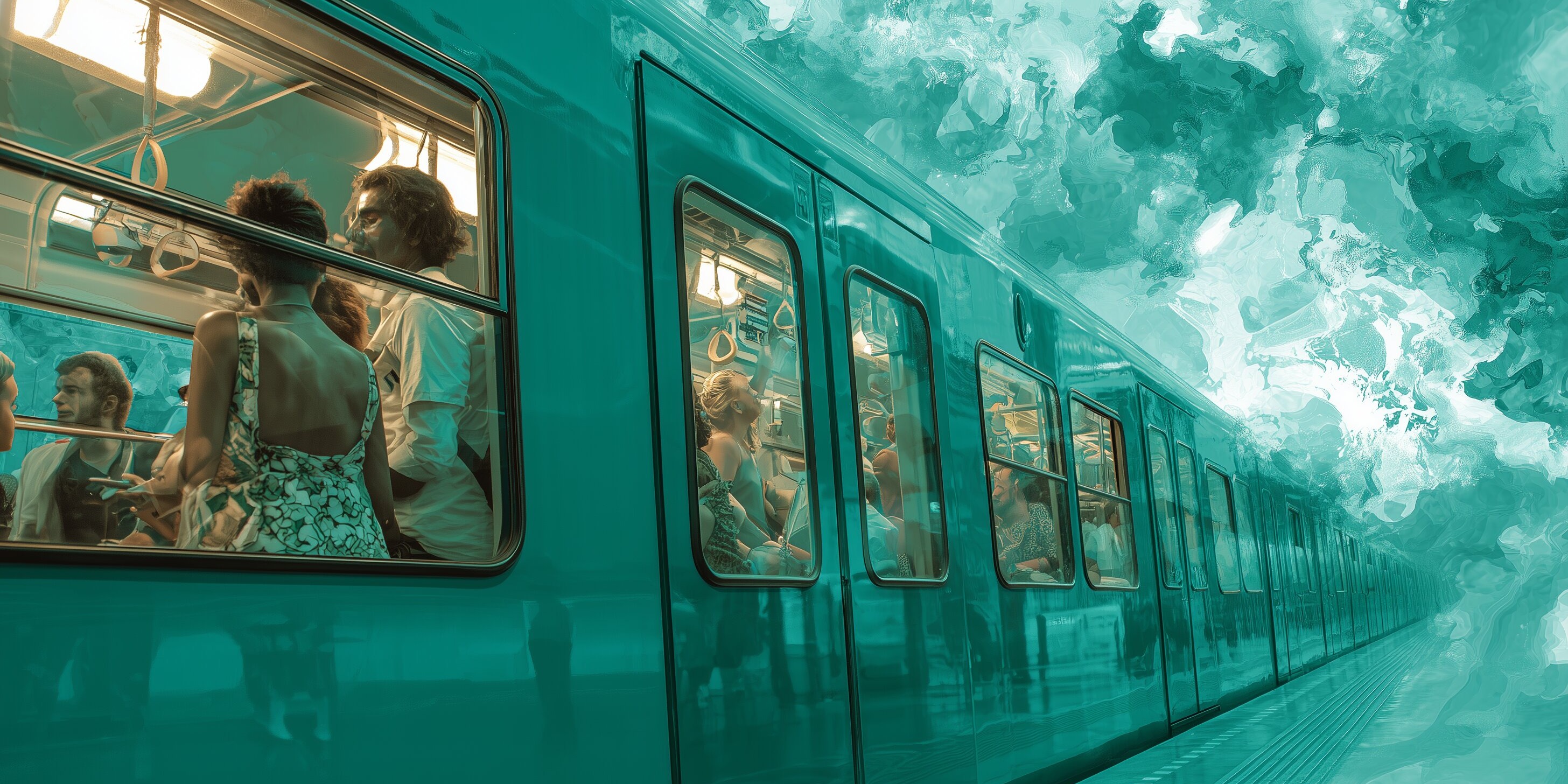
It’s important to remember that Rio Metro was a pioneer. This case, presented at international Audio Branding Academy conferences, proved that Sound Branding can go far beyond advertising, it can shape cultural identity.
The work of Zanna Sound placed Rio Metro alongside iconic examples like Intel, Netflix, and Nokia, but with a difference: here, the sound is not just a brand signature: it’s a living experience, played and felt daily. It’s art.
This pioneering approach opened doors for other projects in Brazil and continues to inspire companies to reflect on music’s power as a strategic brand asset.
What does the future hold for sonic identities?
The release of “Metrô do Rio” points to the future. If a sonic identity can become a popular song, other brands can follow the same path, turning their sounds into artistic experiences and creating emotional bonds with their audiences.
The project shows that branding and culture must go hand in hand. When a brand partners with music, it gains pop star status. The results are significant:
For brands: greater recall, relevance, and genuine emotional connection.
For artists: new spaces for expression and broader reach for their work.
For the public: richer, more human, artistic, and memorable experiences.
In the case of Rio Metro, the sound that once guided now becomes part of the city’s soundtrack. And undoubtedly, in the future, other companies will follow this example, turning everyday life into sonic poetry.

What’s the takeaway? Everyone wins!
The release of “Metrô do Rio” in 2025 seals a 15-year journey uniting brand, music, and audience. The sound that began in 2011 and has long moved hurried hearts can now be sung along with the voice that already echoes in the trains.
Zanna, Rio Metro, and its passengers are writing this story together. The project proves that when music and brand unite, something greater is born: an experience that transcends advertising and becomes culture.
In the end, everyone wins. Brands achieve pop star status, artists connect with millions of people, and the public finds a soundtrack for their lives in everyday moments.
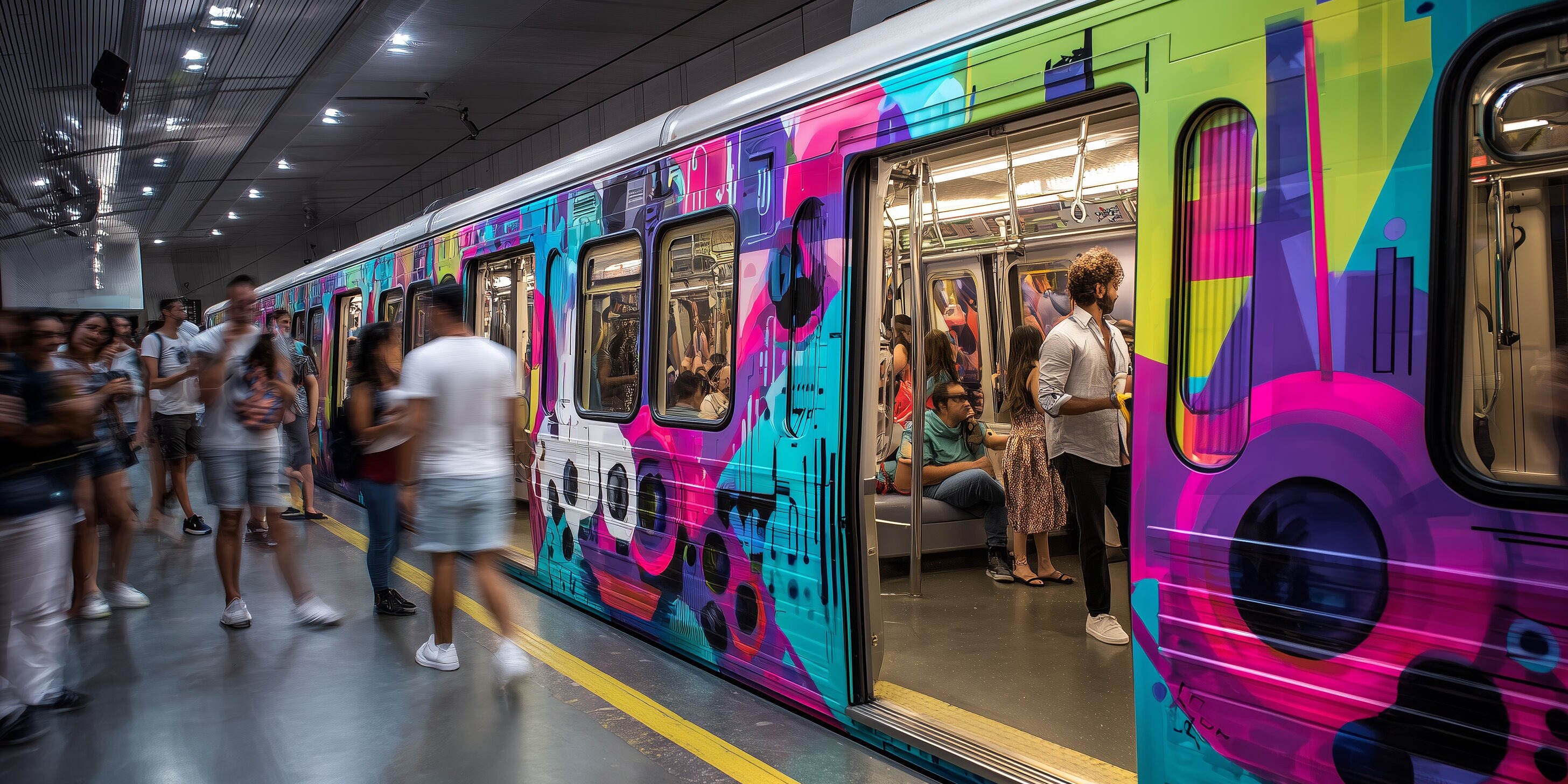
Want to learn more about this story that has captivated thousands of people daily on Rio Metro for 15 years, and how a brand can become a reference in audience connection through music? Talk to us!
Next article
The Evolution of Sound: From Jingles to Sound Branding to Virtual Assistants
We evolved from jingles to intelligent voice assistants. Will Sound Branding position itself as the main tool for communication in the future?…
Read more