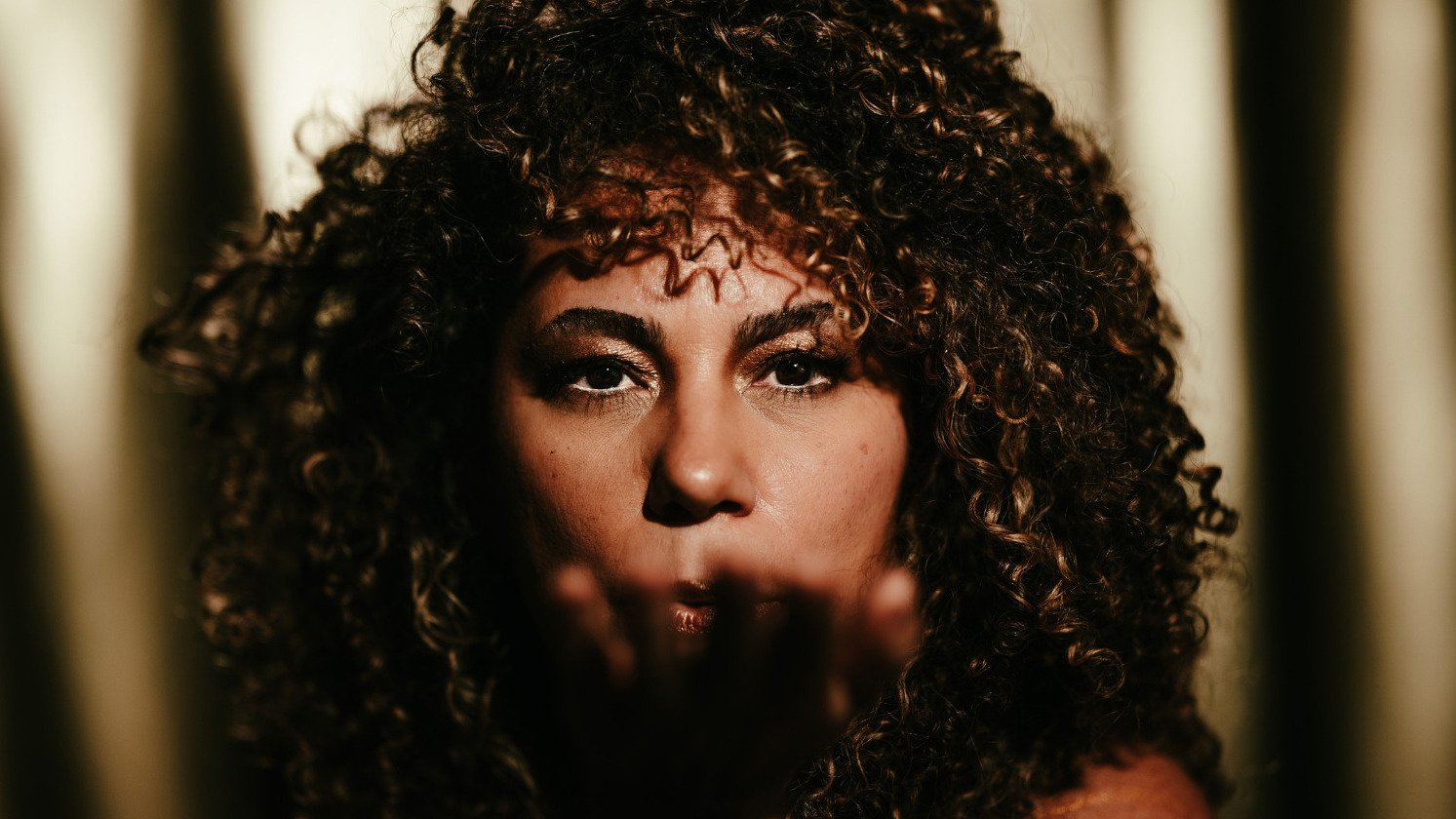
Sound Branding and the Art of Music
There is a difference between a traffic sign and a poem. Both use words. The sign tells you to stop. A poem can make you stop, breathe, and think of someone. Something similar happens with music for brands, and that distinction is the starting point for everything we do in Sound Branding, also known as Sound Marketing or Sonic Identity.
When a brand meets music produced the way records are made, the kind that is born to last, born in studios, shaped into albums by the hands of artists, the nature of the conversation between the brand and people changes. In this article, we explore why the art of music matters so much to Sound Branding, what sets a Sound Marketing agency led by an artist apart, and what changes in the results when major brands make room for art.
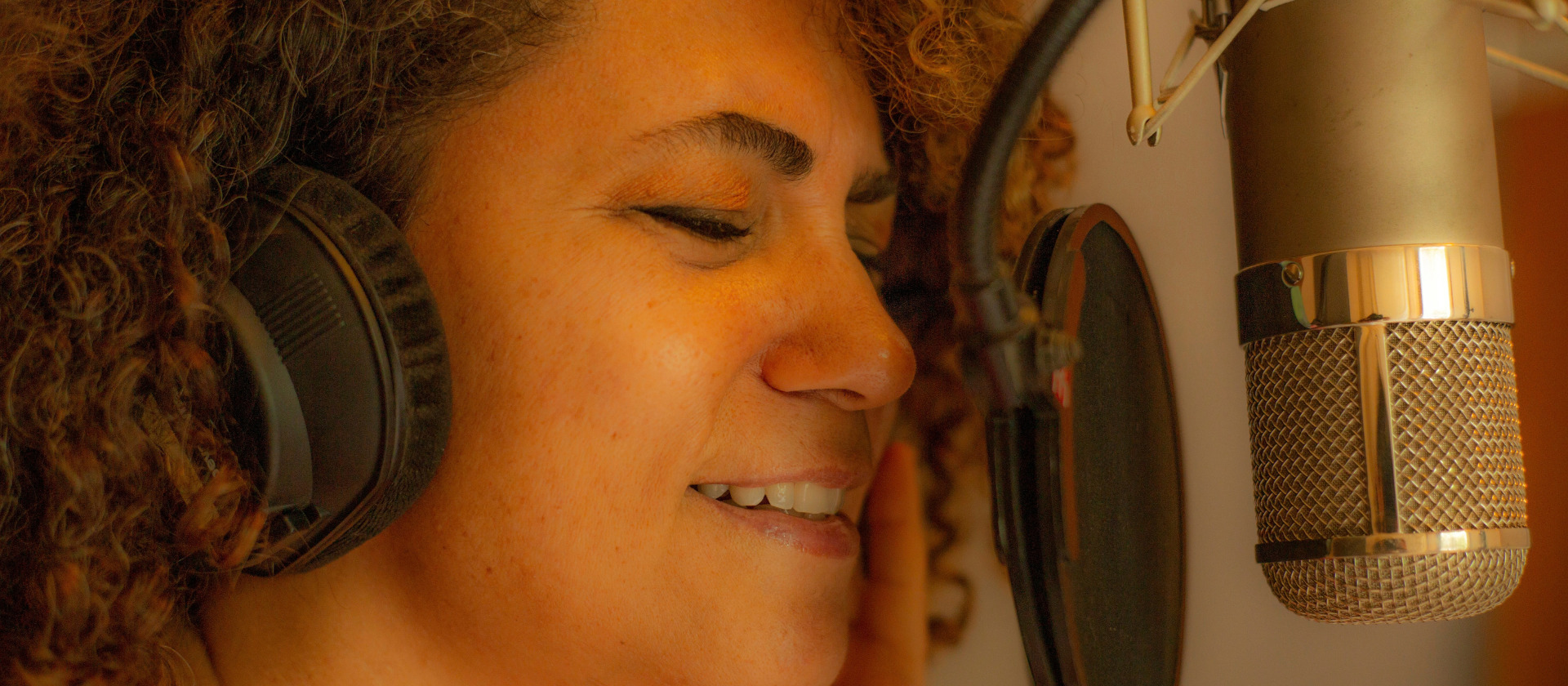
Where does functional music end and artistic music begin?
Zanna, artist and managing director of Zanna Sound, draws a clear line between the two territories. Music composed for advertising is functional music, created with a specific market goal, such as selling a product, promoting a service, or publicizing a public figure. The political campaign jingle is the easiest example to recognize, a piece of music in service of something.
On the other side is music produced by artists, which exists as an expression of the self. The artist reads the world and returns that reading in the form of a song.
For decades, advertising rewarded the cleverest ideas, the choruses that stick in your head with lyrics in service of the product, in an approach Zanna calls purely market-driven. The scene changed when, as she puts it:
"With the arrival of Sound Branding, art became part of the story of brands"
There is also composed Sound Branding, designed to serve a specific function, such as in-app navigation, website navigation, sonic cues for a podcast, or the opening and closing of a broadcast, as we see with TV Globo’s “plim plim” or Netflix’s “Tu-Dum.” However, this is a key difference between projects done in Europe and the U.S. and those carried out in Brazil.
In Brazil, music created for Sound Branding exists to express who the brand is, to translate all of its complexity, considering its attributes, its personality, and its needs, but with artistic freedom. In this conversation, art takes center stage and gives the brand a voice before its audience.
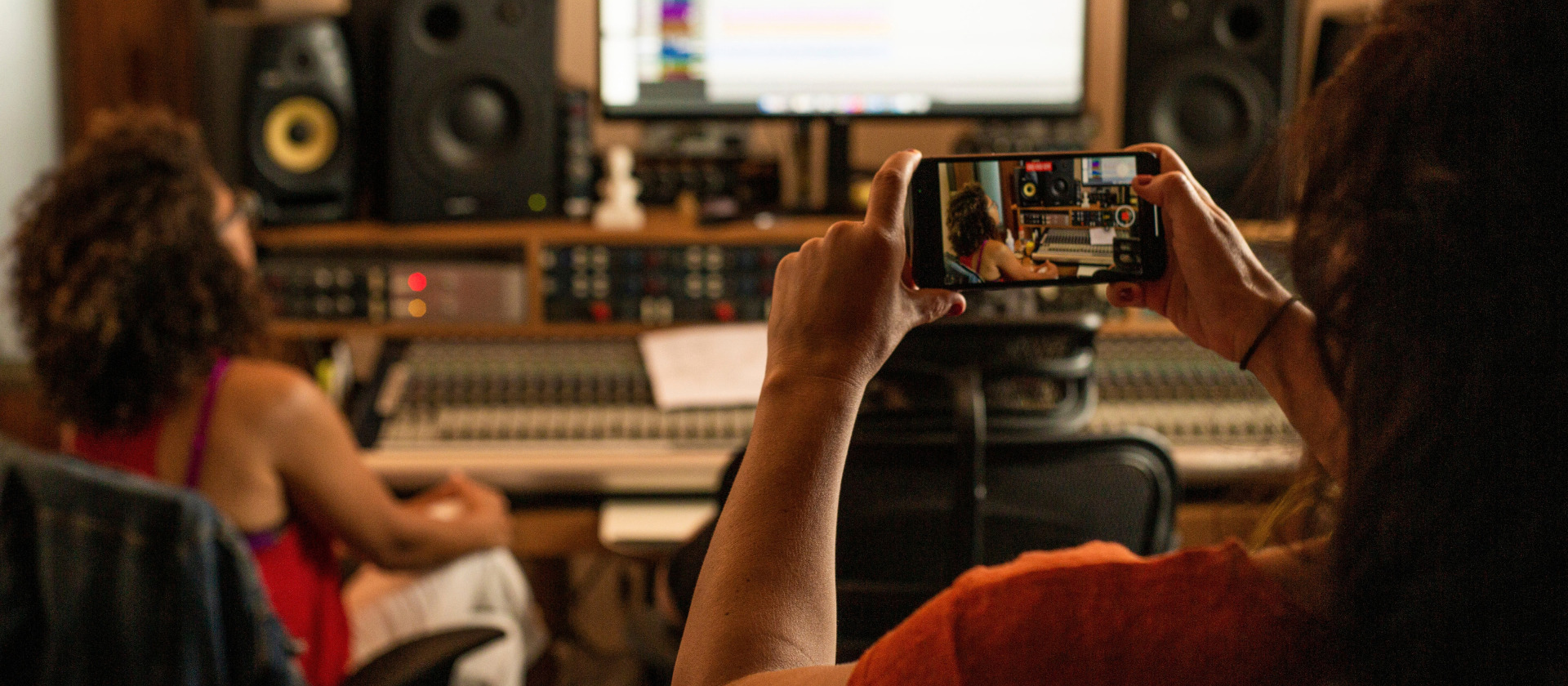
What does science reveal about music that moves us?
This difference in intention produces a difference in effect, and the brain registers both. In 2011, a team at McGill University in Canada published a study in Nature Neuroscience using brain imaging that captured the release of dopamine in the striatum, a region linked to reward, during the most emotionally intense moments of listening to music.
Robert Zatorre, who supervised the research, described the work as the first demonstration that an abstract reward, like music, leads the brain to release dopamine. A song that gives you chills activates an ancient pleasure circuit, closely related to the one that responds to a good meal.
Neurologist Oliver Sacks describes, in his book Musicophilia, music as an art that is at once completely abstract and profoundly emotional. For him, music “can pierce the heart directly,” without the need for mediation.
The result for the brand, Zanna explains, is winning affinity, affection, and real connection, because people connect with real music. Where there is genuine connection, there is preference: people begin to love the brand, to engage with it in new ways, and to choose it over competitors, because affinity makes relationships possible.
The marketing numbers point in the same direction. Les Binet and Peter Field analyzed 996 campaigns from the IPA effectiveness database in the United Kingdom and published their findings in the book The Long and the Short of It. Emotional campaigns are nearly twice as likely to deliver significant profit growth over the long term. Binet summed it up:
"In the long run, the big profits are in emotion"
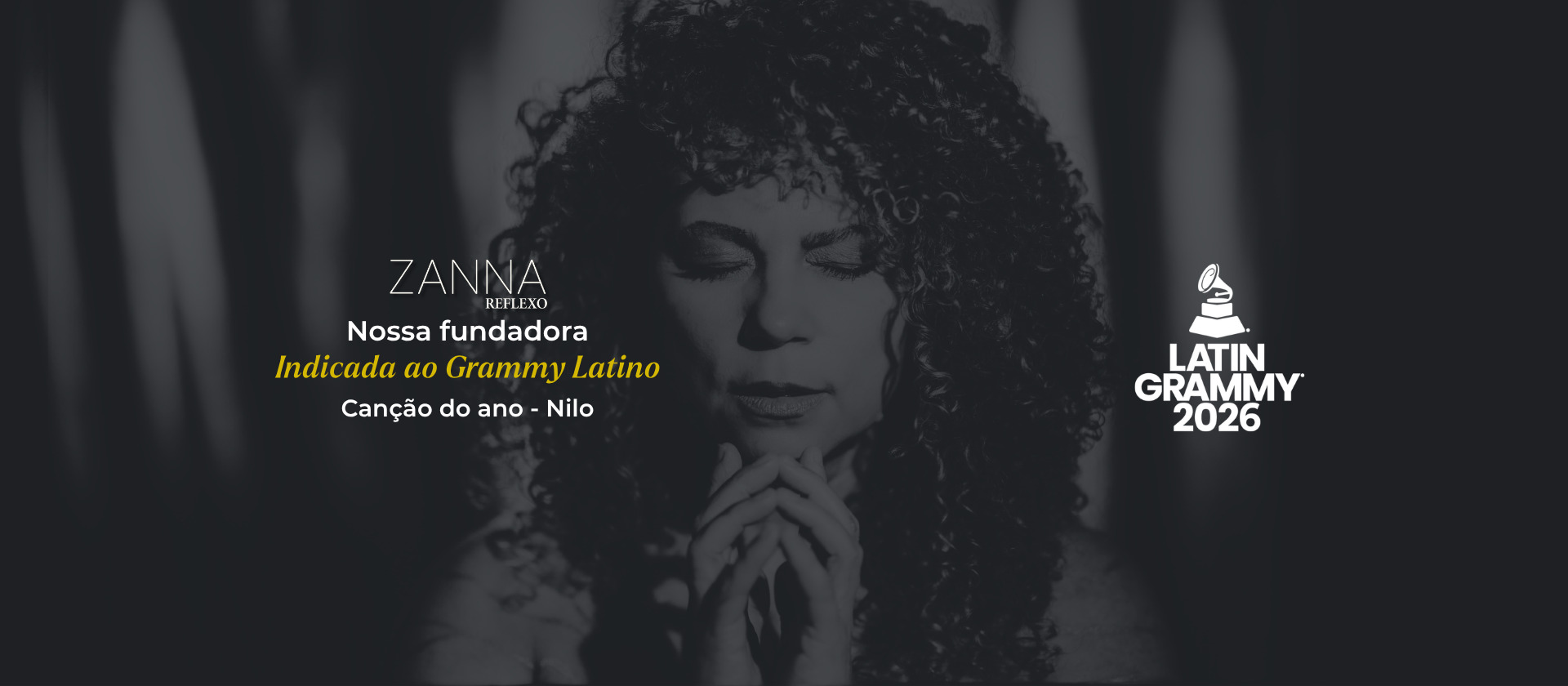
What sets a Sound Marketing agency led by an artist apart from other organizations in the field?
Zanna Sound has 18 years of history in the Brazilian and international markets, and behind the agency is an award-winning artist. Zanna is currently nominated for the 2026 Latin Grammy Awards in the Song of the Year category with the track “Nilo”, from the album Reflexo, released in November 2025. She is the only Brazilian nominee in this category, and the ceremony takes place on November 12, 2026, in Las Vegas.
For brands, Zanna explains that having a true artist behind the agency allows any brand to reach its audience through art, through creators who put talent and creativity in service of the project. These artists have the sensitivity to translate a brand into sound that connects, generates affection, and keeps people close.
Each composition is born from listening to the brand’s identity and carries an artistic signature. The pieces aim for connection with the audience, and the brand rises a level in relational terms.
What happens when art meets major brands?
In 1995, Microsoft invited Brian Eno, one of the most respected names in ambient music, to create the startup sound for Windows 95.
The brief called for a piece that was inspiring, universal, optimistic, futuristic, sentimental, and emotional, and ended with the requirement that it last 3.25 seconds. In a 1996 interview, Eno described the challenge as “making a tiny little jewel.”
He composed 84 pieces and shared that the experience unlocked his own creative work after a period without ideas. In 2025, the United States Library of Congress added the sound to the National Recording Registry.
A seemingly functional brief, handed to someone with the soul of an artist, became a piece that millions of people heard for years and still recognize today. That is what changes when art meets a major brand: the sound gains authorship, character, and emotional memory.
In Brazil, the Natura Musical program, created in 2005, reported in 2020 that it had invested approximately R$159 million in 467 projects, including albums, concerts, books, and documentaries. This constant presence alongside artists builds a capital of affinity and connection for the brand that no single campaign can match.
Long-lasting brands choose artists
There is a long-term intelligence in bringing artists closer to a brand. Zanna describes it as “an act of profound intelligence,” characteristic of those who look to the future and plan for lasting growth, without expecting only immediate results. She sums it up:
"Brands that intend to endure need artists to translate their essence and their purpose"
The question that remains for anyone who stewards a brand is what voice it will have twenty years from now. A song made by someone who lives music has a chance of answering that question in the future, a chance of enduring. That choice begins by listening to who the brand is and reaches people as real music that stays in memory.
To learn how Zanna Sound brings the art of music into brands, get in touch.
Next article
What Are the Differences Between Sound Branding in Brazil and Abroad?
What are the differences between Sound Branding produced in Brazil and abroad? And why do we use more melodies and less Sound Design?…
Read more