
The Sound Revolution in Public Transit Through Sound Branding
How was sound in public transit before Sound Branding?
For a long time, sound in public transit was treated only as a functional resource. Communications were recorded, often in an amateur way by the companies’ own staff and without any strategy behind them.
There was no care for the quality of the voice, the scripts, the sound, or the passenger experience. Sound played only an informational role, with strictly technical scripts and voices that were either too traditional or had no experience in communication. In practice, this meant an unpleasant experience for those who used these spaces every day.
Zanna Sound started this story when it implemented Sound Branding at the Rio Metro, the first transit system in the world to have its own sonic identity. Today, the theme music of the largest and most complete case in the segment is described by passengers as “the city’s theme,“ and the voice of the metro, Zanna, is also called “the voice of Rio de Janeiro.”
When does sound stop being an announcement and become an experience?
The shift happens when sound starts being perceived as a fundamental part of the experience and navigation of these spaces. It is not only about communicating, it is about how to communicate and how to feel.
Studies on Sensory Marketing and user experience show that sound directly influences people’s perception, behavior, and emotional state.
Based on this insight, the first cases of soundscape and sound user experience were created by Zanna Sound in Brazil, a fact that confirms the importance of Sound Branding in these systems and for brands across every segment.
We have already explored this topic when analyzing how sound influences behavior and human perception.
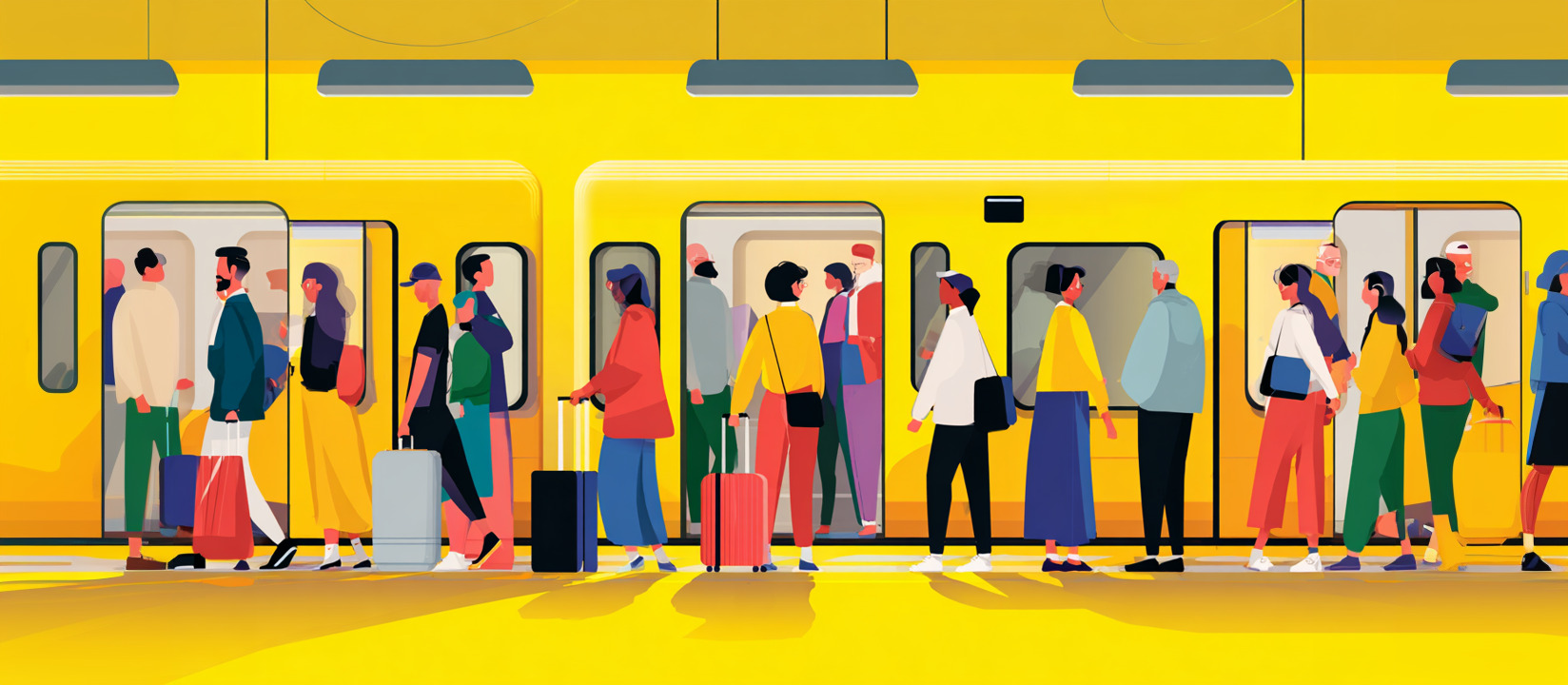
The arrival of Sound Branding in public transit
Sound Branding begins to be applied in transit as a way to organize, refine, and create engaging communication. It is not only about improving audio, it is about creating a coherent and transformative sonic identity.
What used to be only an alert now includes: a music piece that identifies the brand; a voice aligned with its personality attributes; a specific way of speaking (spoken verbal tone); the Sonic Logos that organize the messages, and the sounds that help with navigation.
This kind of structure connects directly with the concept of sound experience that also appears in other content on the blog.
The beginning in Brazil and the transformation at the metro
In Brazil, this movement begins with projects at the Rio de Janeiro Metro. The proposal was to offer a new way of handling the sound experience inside these spaces. The communication adopted a human tone with the voice of Zanna, to create a closer relationship aligned with the brand identity.
A Carioca brand, practical, transformative, one that speeds up people’s lives but is also affectionate. Voice, music, and sounds began to work together.
The Sonic Logos started to indicate different types of messages. This brought more clarity to navigation and created a smoother experience.

Did the Rio Metro influence other transit systems?
Based on the results at the metro, our model for creating Sonic Identity expanded. It was applied at airports such as São Paulo/Guarulhos International Airport and at networks operated by Infraero.
At the time, the project reached 63 airports in the country, and from there it expanded to other metro, train, and LRT systems in different regions such as São Paulo, Bahia, and Belo Horizonte.
This growth consolidated Sound Branding as a strategic part of transit.
How does sound impact and create a bond with people?
The results revealed something important: sound does not just organize, it creates an emotional bond.
The way the voice communicates, the music used, and the sound cues directly influence the passenger experience.
Studies in Neuroscience show that sound acts on the emotional system and influences behavior.
When applied well, Sound Branding can reduce stress, improve perception of the environment, create a sense of welcome, and strengthen the relationship with the brand.
This point connects directly with discussions about the emotional impact of sound that Zanna Sound has previously addressed.
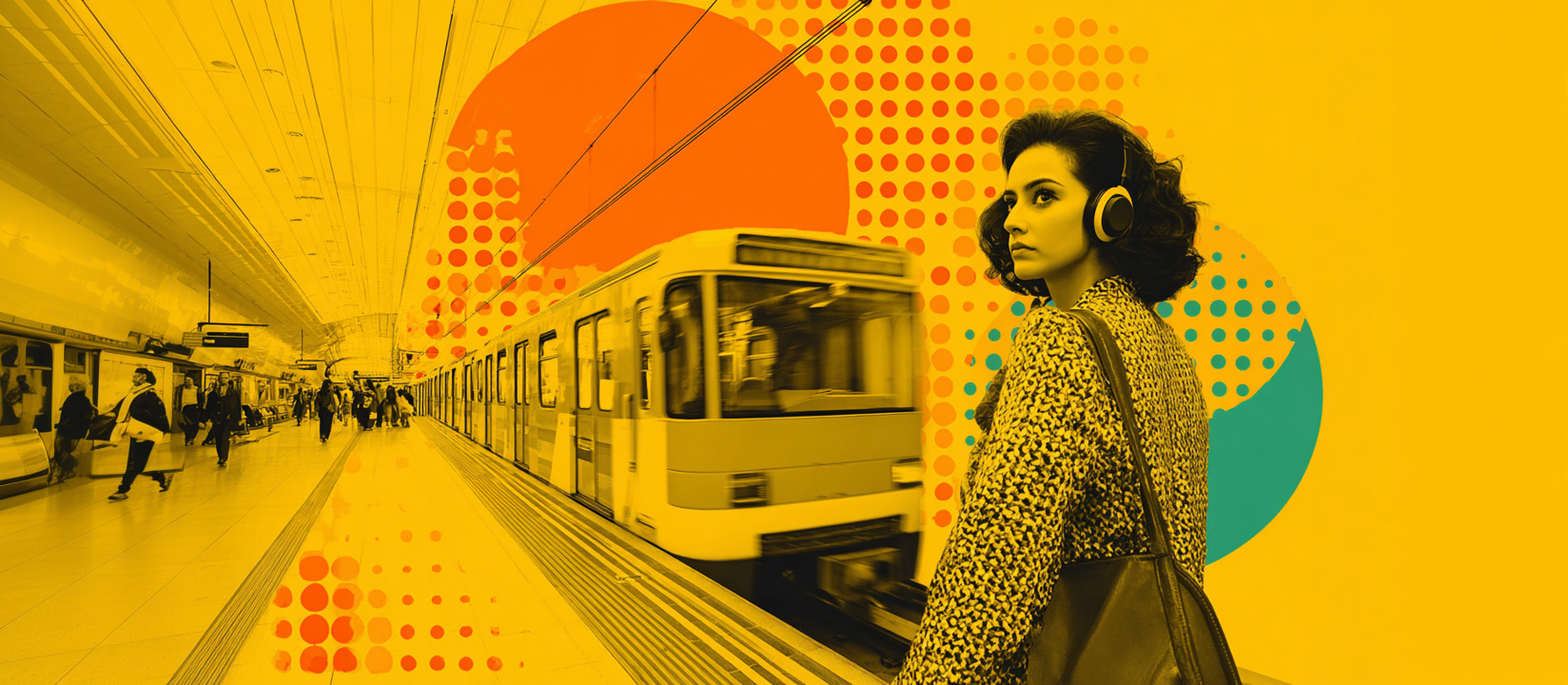
Sound, community, and well-being
There is a broader point in this discussion: the reality that sound also influences the collective.
More organized and pleasant sound environments directly impact people’s mood, which changes how they relate to the space and to each other.
Transit stops being just a commute and becomes an experience.
Brazil as a reference in sound experience
The model developed in Brazil by Zanna Sound began to draw attention in the international market. Other countries started to observe and adapt this way of working with sound in transit.
This positions the country as a reference in sound experience applied to public spaces. More than technology, it is about sensitivity and about understanding sound as an important language.
Where is Sound Branding in transit headed?
Work with Sound Branding in transit continues to evolve. The new companies and concessionaires being formed, including those with strong participation from China and other countries, already start with this prerequisite: a strong sonic identity to differentiate themselves from the previous operator.
Sound, Sound Branding, Sonic Identity, and Sonic Brand in these spaces are proven and necessary tools. In transit, it is no longer possible to continue without caring for the sound experience.
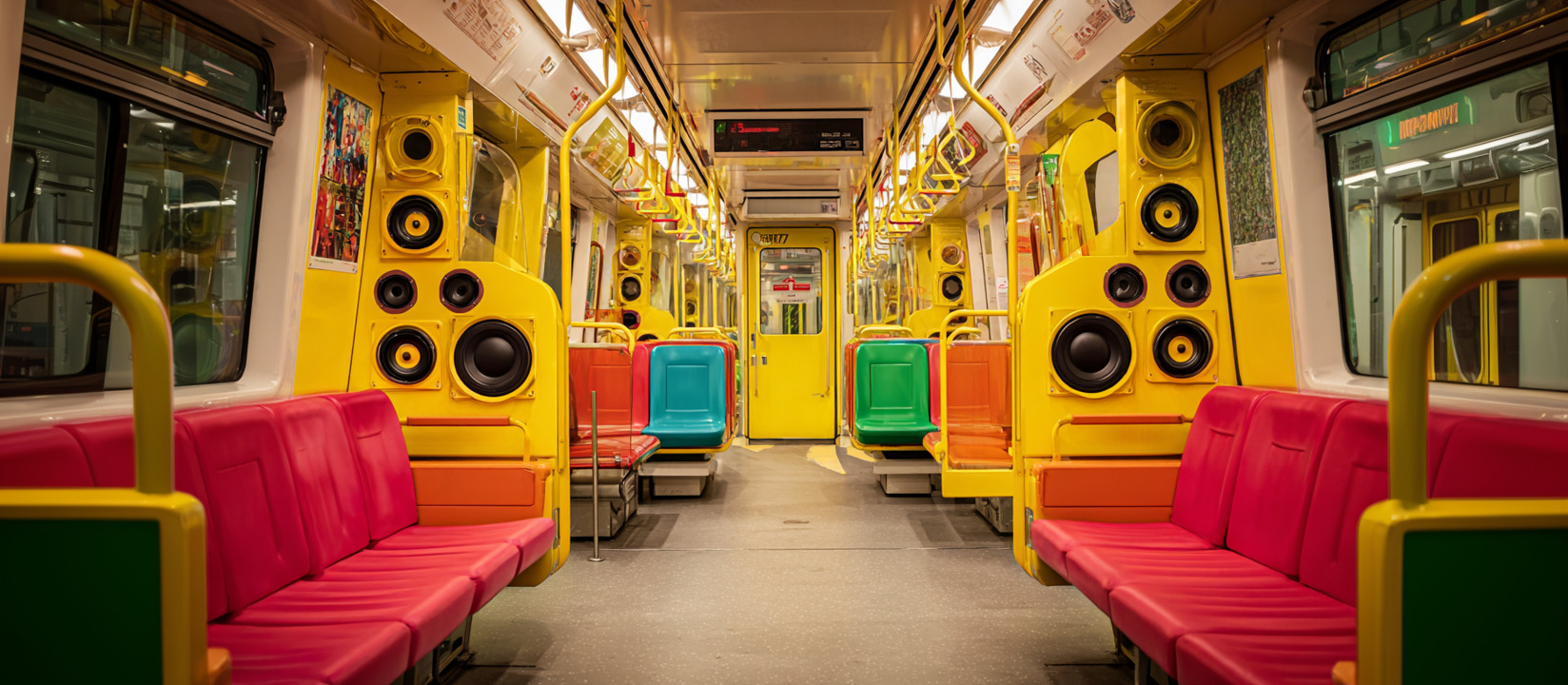
If the sound revolution in transit is a topic that interests you and you would like to know more about how Sound Branding can transform our experience of life on earth, get in touch with us.

Next article
What Is a Sound Logo and Why It Is Essential in Sound Branding
Understand what a Sound Logo is, how it works within Sound Branding (Sonic Identity), and why sound has become a strategic asset in brand building.
Read more