
The Paradox Between Sound and Silence: when the absence of sound is a branding strategy
Is there sound in silence?
In a society with an abundance of sonic stimuli, silence has become rare and therefore a symbol of luxury. In Sound Branding, silence is not the absence of information but presence, relief and sensory rest. It offers space for us to think, feel, express and communicate.
Neuroscience shows that silence triggers relevant physiological and cognitive responses. A study published in the Brain, Structure and Function Journal found that two minutes of silence are capable of stimulating the growth of new cells in the brain area associated with memory and learning.
This scientific finding reinforces what Sound Branding professionals already observe in practice. Silence can be as powerful as the highest note of a symphony. It calms, broadens perception and awakens attention.
Why does silence have such an impact on our emotions?
Silence reorganizes auditory and emotional focus. Researchers at the University of Pavia, in Italy, observed that even the pauses between tracks can cause intense physiological responses, activating the same brain circuits of pleasure as the music itself.
Those moments of pause produce dopamine, the neurotransmitter linked to anticipation and reward. In simple terms, silence prepares the body to feel. For that reason, when used intentionally, it increases the emotional impact of any sound.
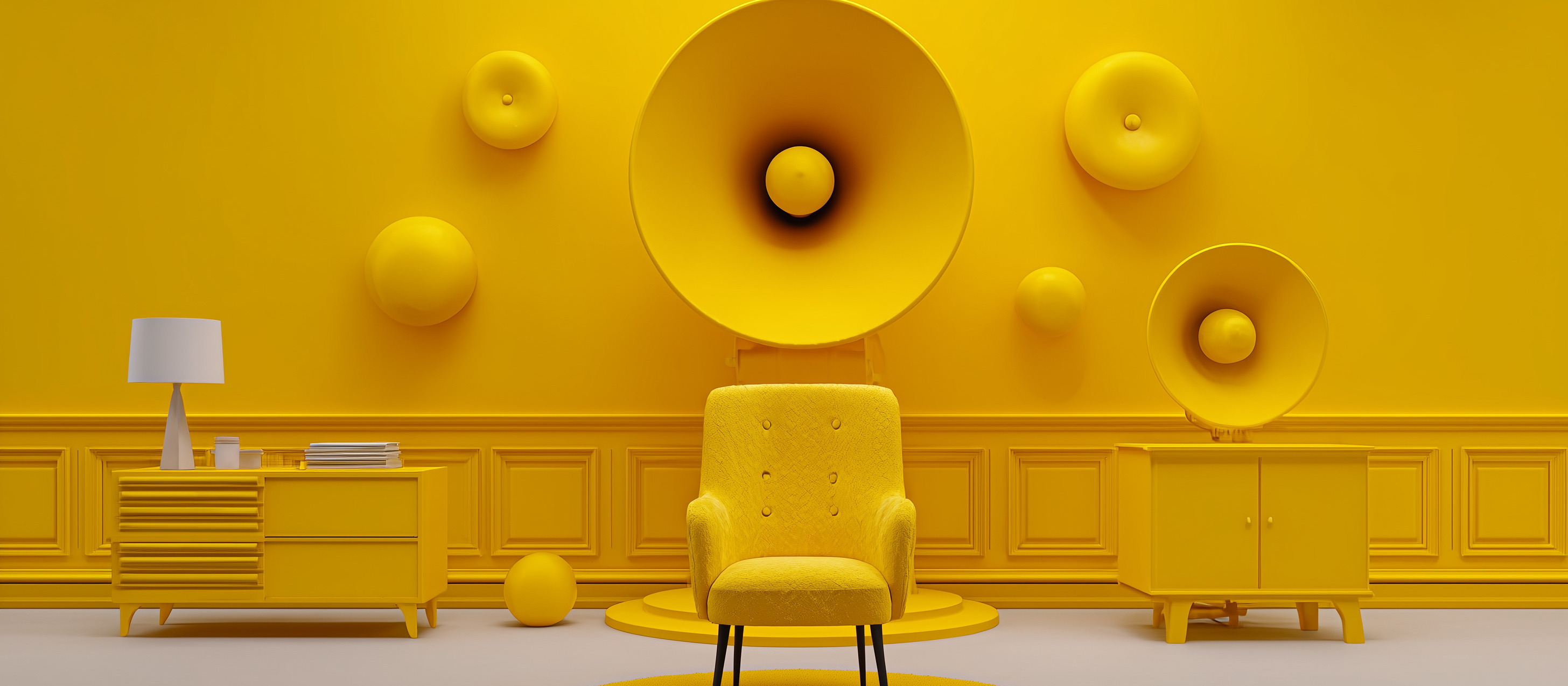
In Marketing Sensorial, silence is also a tool for differentiation. Brands that master the use of sound and silence communicate elegance and confidence. Silence is perceived as sophistication. Imagine one room crowded with furniture and another more open, with space to breathe. The emptiness is chic and silence is too.

How do premium brands use silence as a branding tool?
Luxury has always been associated with command of time and attention. High-end brands understand that silence is an aesthetic and symbolic component. It communicates exclusivity and breaks the logic of excess.
The Bang & Olufsen brand, a reference in acoustic design, is a classic example. In recent campaigns, the Danish company presented videos and installations where silence precedes sound. That pause makes the audience perceive that the product is not only about volume but about purity and control of the sonic environment.
Apple also uses silence as part of its sensory signature. At product launches, there is always an intentional interval before the opening sound or the first musical chord. It is the moment when attention focuses entirely on what is about to happen. The famous Mac startup chime is preceded by seconds of absolute silence. The contrast becomes a moment of surprise and captures our attention.
Audi applies the same concept in its TV commercials. Silence highlights the acoustic comfort and sense of isolation in its vehicles. Research on sound perception in the automotive industry indicates that reduction of interior noise is directly associated with ideas of quality and prestige.
These examples show that silence, when used strategically, becomes a brand asset. It communicates balance and authority.

What does silence reveal about the consumer experience?
Well-applied silence creates an exclusive environment. In luxury stores, the absence of constant background tracks is part of the experience and fits with spatial emptiness. It allows the consumer to hear their own steps, breathe the environment, perceive the space as an extension of themselves and, most importantly, think and flow.
A study from the University of Southern Denmark analyzed the effect of silence on consumption experiences and concluded that acoustically controlled environments are perceived as more sophisticated and trustworthy.
In the digital realm, the same reasoning applies to minimalist interfaces. Subtle sounds or silence replace intrusive notifications. The Apple Watch, for example, uses silent vibrations for important alerts, reinforcing a more human and less anxious experience.
When silence is part of sonic identity
Working with silence requires awareness. Modern Sound UX understands that each pause is a design choice. Silence must be planned like a note. It needs purpose, context and emotional meaning.
At Zanna Sound, silence is treated as an essential part of projects. During the creation of sonic identity, soundtracks, playlists and musical curation, pauses are designed to create contrast and evoke emotion.

Silence as the future of Sound Branding
In times of overstimulation and artificial sounds, silence emerges as the new symbol of sophistication. Brands that know how to pause communicate confidence, presence and elegance. Silence is the invisible signature of those who master sound.
As composer John Cage wrote, “there is no such thing as silence; something is always happening that makes sound.” What changes is the awareness of the listener. It is precisely that awareness that contemporary Sound Branding seeks to awaken.
More than filling spaces, the future of sonic branding lies in creating strategic pauses.
If this topic resonated with you and you want to learn more about how to explore sonic experience in brand communication and sound design for physical and digital brand spaces, get in touch.

Next article
Artistic Branding: when art becomes part of brand strategy
How does Artistic Branding transform musical events in sensory experiences able to convey emotion, engage and create a deep link between audiences and brands?…
Read more