Artistic Branding: when art becomes part of brand strategy
What is Artistic Branding and why is it gaining strength?
In a world saturated with ads, the most memorable brands today are not the ones that talk, but those that touch the heart, create real connections, and make people feel. Artistic Branding emerges from this new logic: using art, especially music, as a strategic language to build emotional bonds.
More than sponsoring culture, Artistic Branding is about valuing artists within the corporate world. It transforms a brand into a creator of artistic experiences: a curator of sounds, an interpreter of sensations, and a storyteller. By combining Sound Branding, Music Branding, and Sensory Marketing, a company doesn’t just sell products, it creates meaning and activates emotional memory.
Why is music the most powerful vehicle for building brands?
Music crosses borders, awakens memories, and evokes deep emotions. Neuroscience studies show that it activates brain areas linked to reward and empathy, releasing dopamine and oxytocin, substances associated with pleasure and human connection.
This explains why well-crafted musical experiences generate belonging and loyalty. When a brand creates or produces musical events, it becomes part of the audience’s emotional repertoire. Sound stops being a backdrop; it becomes a signature, a presence, and an identity.
How are brands using music as a strategic language?
From Coca-Cola to Tim, major brands have already realized that the shortest path to the consumer’s heart runs through a stage. Rock in Rio is one of the world’s greatest laboratories for Artistic Branding: each sponsor creates a space that translates its identity into art, sound, and experience.
But it’s not only for global giants. In Brazil, many independent brands are using music as a core of communication, from creative collectives to restaurants and hotels that produce their own music events to build atmosphere and community.
In this context, music is a living strategy: it involves creating store playlists, musical curation for events, sonic brand identity, and immersive experiences where the audience takes an active role.
Zanna’s show at Blue Note Rio: an example of Artistic Branding in action
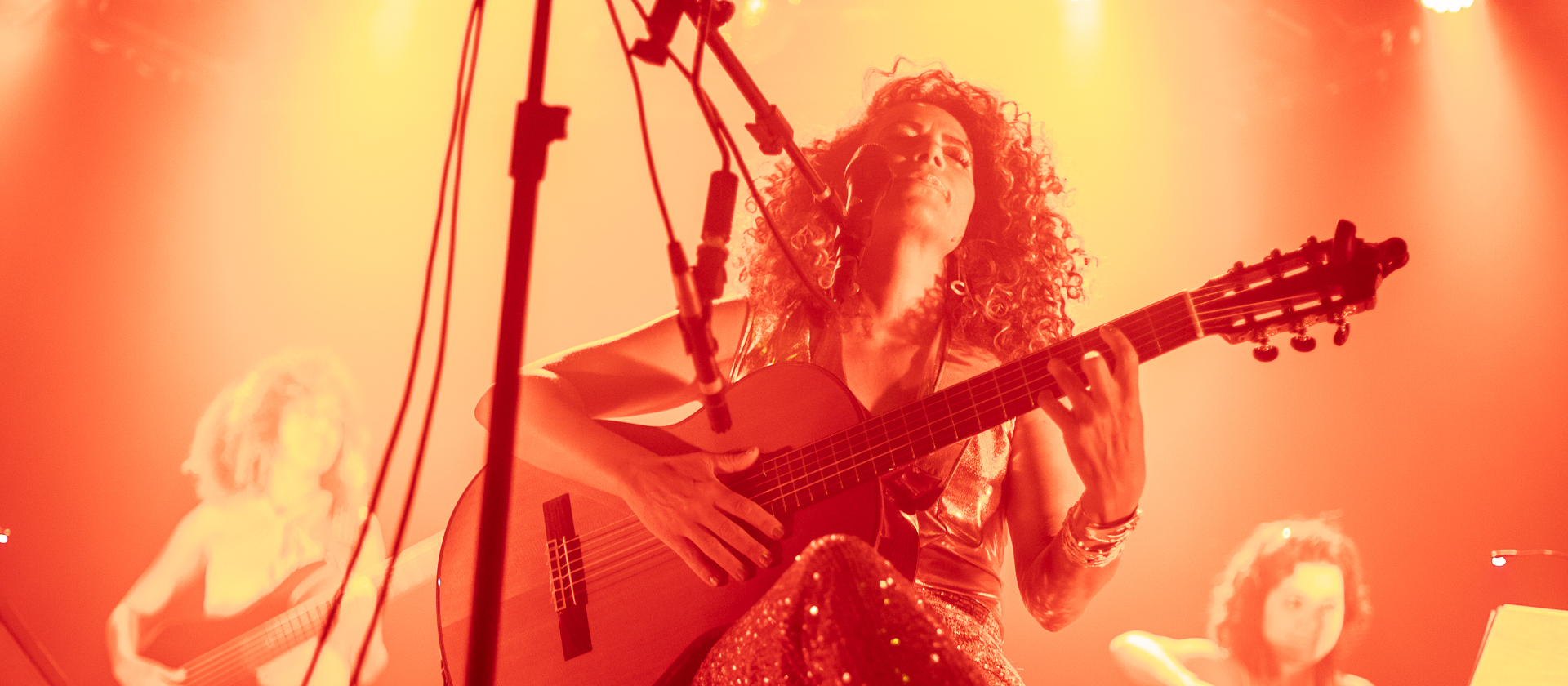
On November 12, the stage of Blue Note Rio will host an experience that unites art, sound, purpose, and brand: the show Reflexo, by Zanna, singer, songwriter, and founder of Zanna Sound, marks the release of her second album, produced and designed by the agency Zanna Sound.
More than a concert, the album and its launch were entirely produced by Zanna Sound as an expression of its own philosophy: to unite music and brand. Every detail, from sound curation to visual aesthetics, reflects the concept of Artistic Branding: transforming emotion into language and using art as a form of connection between Zanna Sound and its audiences.
On stage, Zanna performs songs from Reflexo, which speak about self-knowledge, high vibration, and Rio’s daily life. Beyond the stage, the brand manifests itself through sound design and sensory experience, everything was crafted to express the artist’s essence and the power of sound as the soul of brands.
This format is a clear example of how art can transcend entertainment and become a positioning strategy. Zanna Sound is not simply promoting an album; it is showing, in practice, how sound communicates purpose, value, and brand identity.
Which brands have already understood the power of Artistic Branding?
In different contexts, Artistic Branding has been adopted by brands seeking to connect with their audiences on a sensory level.
Heineken, with the Heineken Green Stage, transformed sponsorship into curation and experience—and in 2025, it will launch another music event in São Paulo.
Red Bull created a universe of original events, from the Red Bull Music Academy to Red Bull Station, showing how sound can express a brand’s energy.
Absolut uses electronic music and light design as languages of self-expression and diversity.
These brands understand that audiences want more than messages; they want moments. Each event becomes a manifesto of who they are.
How can brands apply Artistic Branding in practice?
The first step is to understand that art is not just a backdrop, it is part of a smart strategy and the brand’s own narrative. A musical event must be born from the brand’s DNA, with authentic curation, aesthetic coherence, and narrative purpose.
It’s essential to choose artists and sounds that express the same symbolic universe as the brand. The sonic identity must be present in everything: in the sonic logo, the presenters’ voices, the playlist, the transitions, and even in silence.
Moreover, Artistic Branding must be continuous: the event is just the beginning of a story. From it, the brand can generate content, videos, interviews, podcasts, and playlists that extend the experience and keep the connection alive.
Why is Artistic Branding the future of brand communication?
We live in the era of experience, and people want to feel, not just consume. The brands that thrive are those that understand that their true asset is not the product, but the feeling.
Artistic Branding places sound, aesthetics, and art at the center of this dialogue. It gives the brand a living body, capable of dancing, resonating, and moving people.
In the Reflexo show, Zanna Sound shows the way: when art is created with purpose, the audience doesn’t just watch, it sees itself in it.
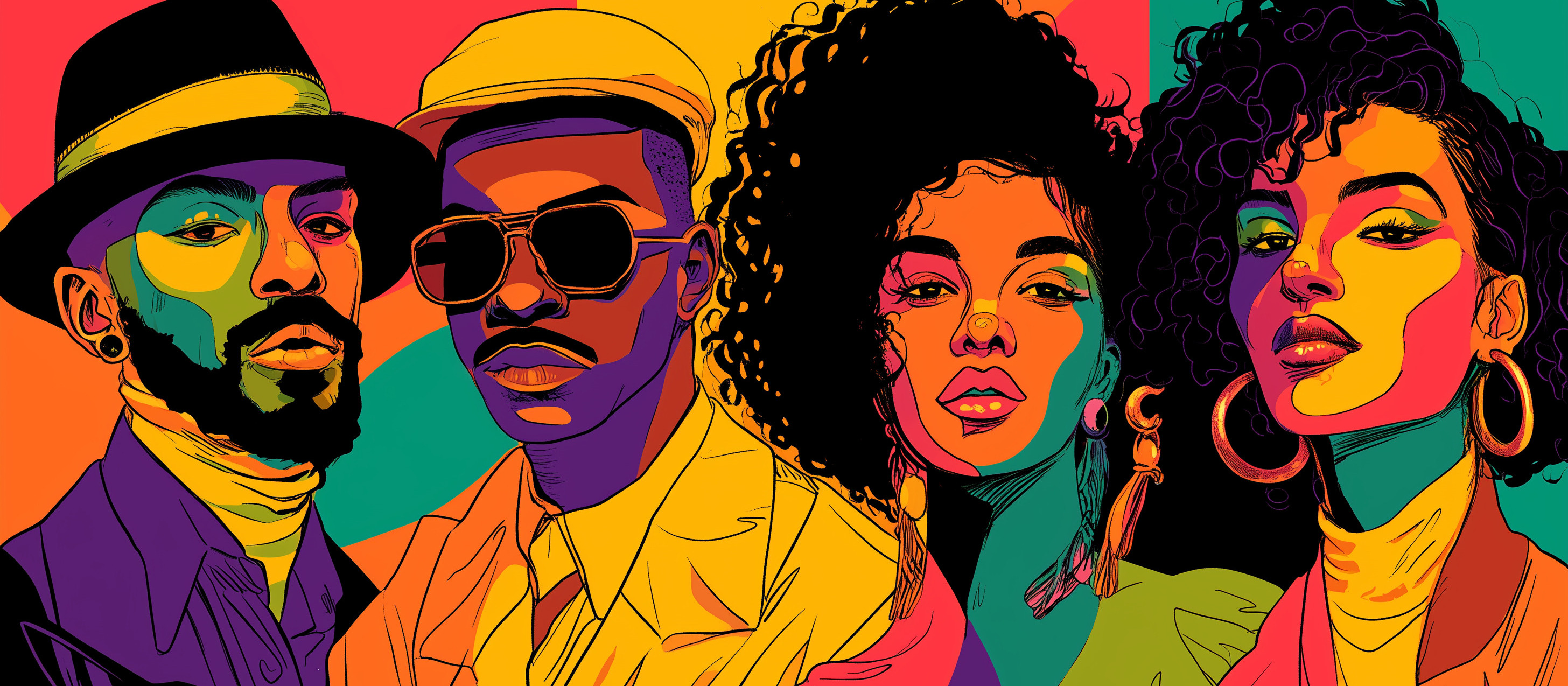
If you enjoyed learning about how Artistic Branding connects with audiences and how brands can become Top of Mind through events, get in touch with us. And if you want to attend Zanna’s show at Blue Note on November 12, click here.
Next article
Sound Branding and Emotion: building affective connections through sound
How Sound Branding triggers emotions and create long-lasting affective bonds between brand and people, from music, playlist to the brand's voice.
Read more