
The Battle of the Senses: Why Sound Will Be the Competitive Edge in Future Transportation
What is Sound UX and Why Does It Matter for Transportation?
Sound UX is the intentional design of sound to enhance navigation in virtual or physical spaces, aiding movement, interaction between people, and human-technology communication. It goes beyond adding pleasant sounds—it’s an auditory architecture that communicates, guides, builds identity, and evokes emotion. In transportation, this transforms every journey into a clear, safe, and memorable experience, where sound acts as an invisible guide.
With the rise of autonomous vehicles and near-silent electric cars, sound has shifted from background noise to a necessary protagonist. Imagine a completely silent car running a red light? Sound here could save lives, while the absence of engine noise calms urban environments. This silence demands new sound designs to signal vehicle presence. Instead of noise, we can craft pleasant sounds that deliver positive auditory experiences. Well-designed alerts prevent accidents, while personalized soundtracks reduce stress. This is where Sound UX intersects with Sonic Marketing and Sound Branding, creating emotional value for brands and well-being for users.
How Are Smart Cities Using Sound to Improve Mobility?
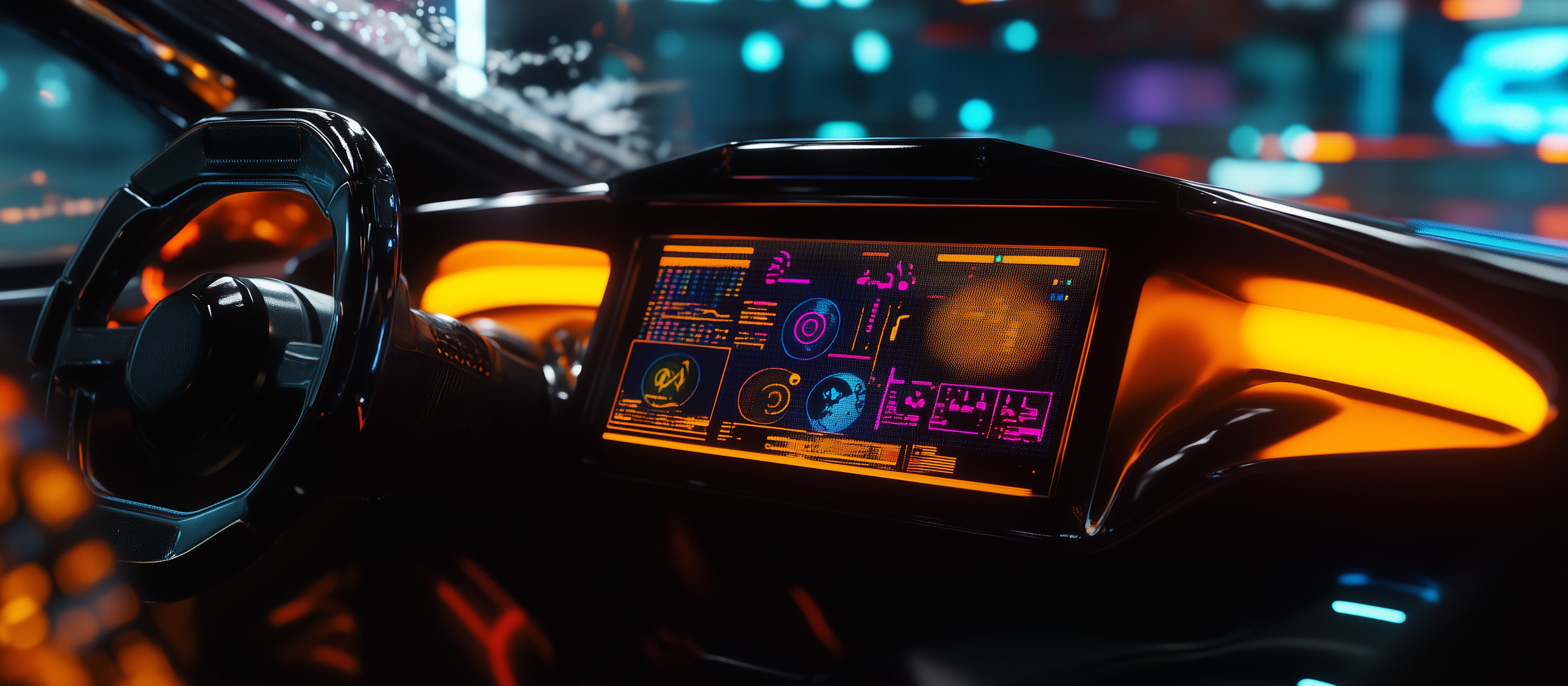
In smart cities like Shanghai and Shenzhen, urban mobility has evolved into a laboratory for sonic innovation. Sound UX transforms daily life: contextual sounds guide passengers, signal route changes, identify risks, and create intuitive, accessible spaces. This approach transcends urban accessibility—it builds responsive auditory ecosystems connected in real time to human behavior and city rhythms.
In Shenzhen, smart metro stations use auditory sensors to detect movement patterns and trigger tailored alerts for visually impaired passengers—a powerful application of inclusive Sound Design. In California, Waymo’s autonomous taxis integrate AI voice assistants and adaptive soundtracks that shift based on time of day or passenger mood, analyzed by onboard sensors. Here, sound isn’t just an interface—it’s a sensory strategy. At the core lies Audio Branding: sound as the bridge between experience, technology, and emotion.
Which Brands Are Shaping the Future of Transportation Through Sound?
BMW + Hans Zimmer: Sound for Electric Cars
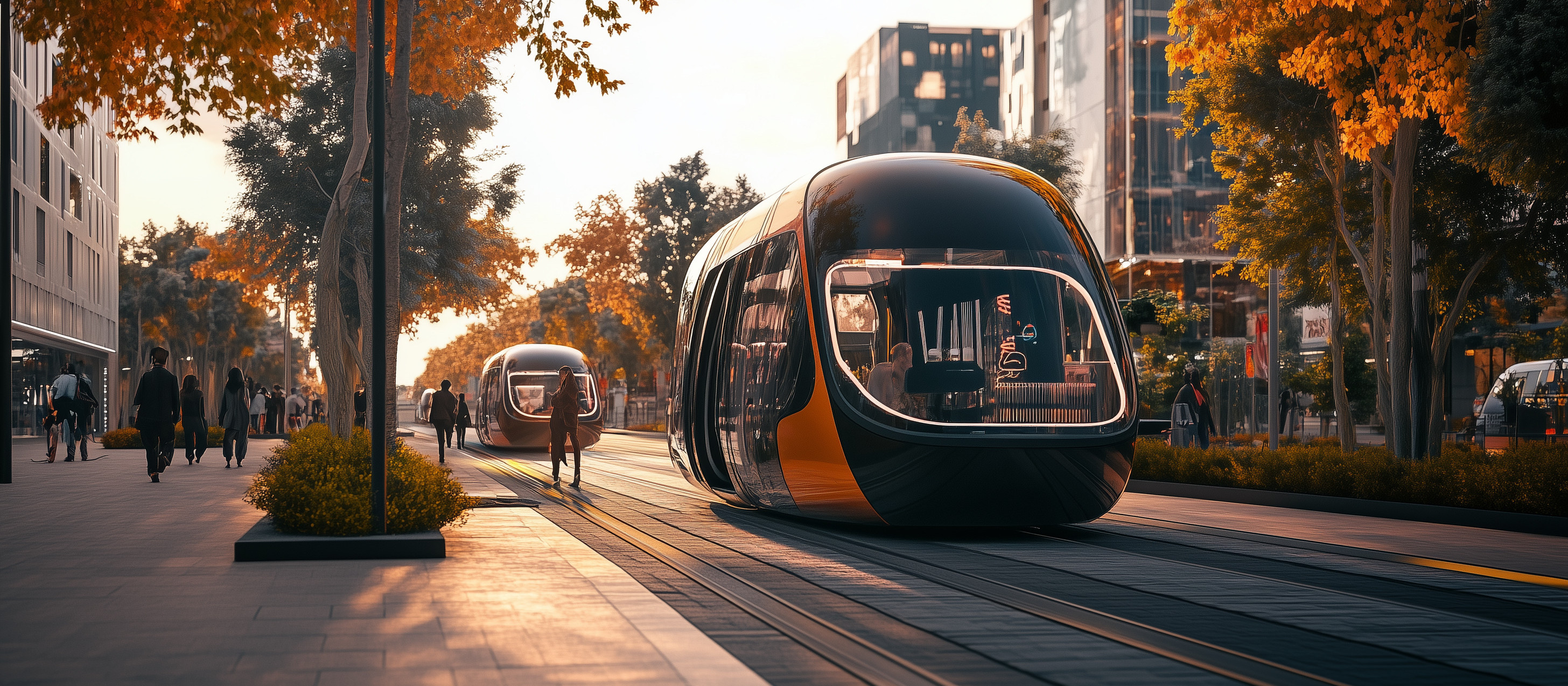
BMW partnered with composer Hans Zimmer to craft the sonic identity for its electric vehicles. Zimmer designed sounds for actions like ignition, acceleration, and braking, delivering a unique emotional experience for drivers. Featured in the BMW Vision M NEXT concept, these sounds are part of the “BMW IconicSounds Electric” initiative.
Renault: Urban Sounds for Pedestrian Safety
Renault developed specific sounds for its electric vehicles to alert pedestrians at low speeds. Known as VSP (Vehicle Sound for Pedestrians), these sounds are audible yet non-intrusive, balancing safety with brand identity. Created in collaboration with Paris’ IRCAM (Institute for Research and Coordination in Acoustics/Music).
Current transportation systems are already embracing futuristic sound experiences. Metro systems, airports, and trains worldwide now explore auditory designs that communicate, calm, and captivate passengers. A prime example is MetroRio.
"The sound of a city should be treated as a perceptual phenomenon. We need methods to capture, represent, and design urban sound as a sensory experience."
Zanna Sound: Criando identidades sonoras para meios de transportes urbanos
Zanna Sound leads Brazil’s innovation in soundscapes, sonic identities, and Sound Branding. We impact over 22 million people daily through projects for MetroRio, ViaMobilidade (São Paulo Metro), Metro Bahia, Metro BH, Infraero Airports, CPTM (São Paulo trains), and Rio’s VLT. Our work anticipates the future by fostering emotional connections between brands and audiences—making people dance, sing, and engage with sonic logos.
A standout project is MetroRio’s acclaimed sonic identity. Featuring ambient sounds, a theme song, and alert tones infused with Rio’s culture, it delivers a unique auditory experience for passengers. Viral social media videos highlight its success, as detailed in this article.
How Can Sound Become an Even Stronger Competitive Advantage for Transportation Brands?
As mobility becomes autonomous, electric, and connected, sound emerges as a strategic differentiator. Thoughtful sound design doesn’t just inform—it delights, comforts, and builds loyalty. When noise fades, brands must find new ways to be remembered. Sound is humanity’s primal memory trigger.
For brands, sound expresses personality, fosters cognitive recall, and deepens emotional bonds. For passengers, it creates calming, secure journeys. Imagine a car that “speaks” through sound, harmonizing with the city’s rhythm. This is already reality:
Waymo: Alphabet/Google’s autonomous taxis use subtle soundtracks to signal turns and weather changes.
Hyundai Ioniq 5: Synthetic acceleration sounds replicate the thrill of speed—without combustion engines.
"In the future, sound will be treated as a public health tool—capable of inducing collective unrest or societal well-being. Mass transit systems, where populations converge, are key spaces for sound to shape mental health."

In today’s mobility landscape—defined by electrification, automation, and smart cities—Sensory Marketing gains a new ally: sound. On quieter streets, audio becomes the language of human-machine interaction.
Beyond functionality, sound is now a strategy for emotional branding—positioning brands, enhancing safety, and building trust in autonomous tech. Those mastering the art of soundscapes won’t just follow innovation—they’ll lead it. Blending creativity, tech, and purpose, sound design is the ultimate competitive differentiator in mobility.

Enjoyed this content? Engage with us to learn more! Let’s talk, explore the Zanna Sound Blog, or contact our team.

Next article
What’s the Best Frequency for Humans: 432 Hz or 440 Hz?
Before the second world war, mankind used 432 Hz and other tuning. Some people say 440 Hz was chosen to create dissension. True or false?…
Read more