
Sensory Marketing: Turning Brands Into Memorable and Lasting Experiences
Sensory Marketing: What Is This Tool That Brands Can No Longer Ignore?
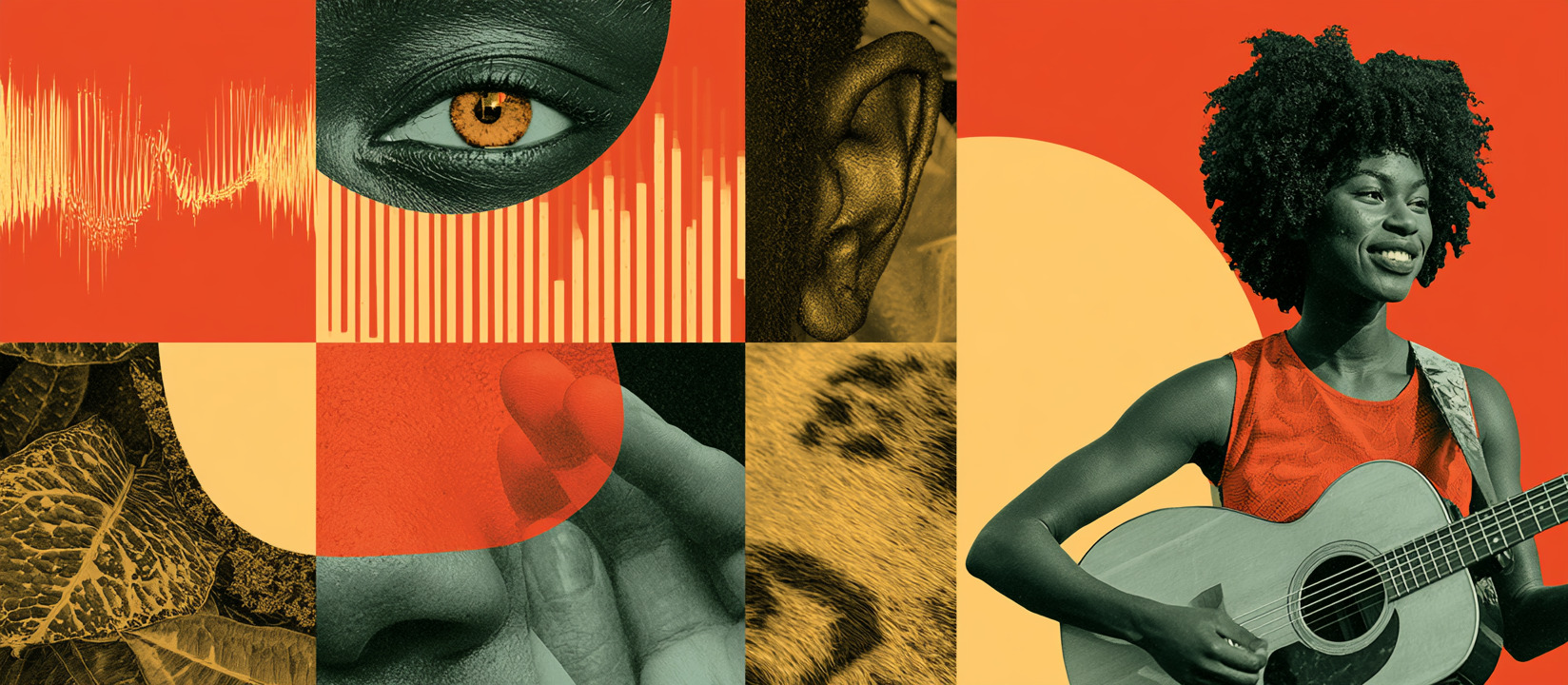
Close your eyes for a second. Think about the sound of a soda can being opened. Or the smell of a bakery early in the morning. Or that jingle you haven’t been able to get out of your head for years. Now open your eyes: you just experienced sensory marketing, a strategy that uses the five human senses to strengthen the relationship between brands and consumers.
The world’s most valuable brands are investing in building emotional connections capable of generating preference, loyalty, and sustainable growth over time.
The touch of a hand on fabric, the aroma of a bakery, the startup sound of an app, or the music accompanying an advertising campaign, these are stimuli that remain stored in memory and influence future decisions.

The Sense That Arrives Before Reason
Charles Spence is a professor at the University of Oxford and one of the world’s leading authorities on multisensory perception. For decades he has studied how the human senses construct reality, and what he has discovered challenges much of what conventional marketing still believes.
"Our senses work in a much more integrated way than most people realize. The experience of a product is always multisensory"
In everyday terms: what you hear can change the flavor of what you eat. The sound of an environment can make a product feel more or less luxurious. An old jingle can evoke a memory with more clarity than a photograph.
What makes sound special in this equation is not just its ability to create atmosphere. It is the speed and depth at which it acts. While a rational argument needs to be read, processed, and evaluated, a familiar sonic stimulus triggers reactions in the limbic system, the brain region responsible for emotions and emotional memory, in milliseconds.
Before you think, the body has already responded. Daniel Levitin, Canadian neuroscientist and author of This Is Your Brain on Music, describes this mechanism with precision:
"Music reaches parts of the brain that no other art form can"
He is referring to the hippocampus, the structure responsible for consolidating long-term memories, and the amygdala, which carries the emotional weight of those memories.

Sound: The Most Powerful Sense of the Digital Age
The power of Sound Branding does not live only in creative intuition. It shows up clearly in the data. The SoundOut Index 2025 analyzed over 170 global brands based on responses from more than 70,000 consumers. The results are compelling: brands with strong sonic identities show significantly higher levels of recognition, attribution, and communication effectiveness.
Beyond that, brands with consistent sonic assets can achieve up to 76% more Brand Power and 138% greater perceived advertising strength compared to brands that do not invest in a sonic strategy. For those who still view sound as a production detail, these numbers call for a reassessment of priorities.
Another study, conducted by Massive Music in partnership with the IPA (Institute of Practitioners in Advertising), analyzed 150 award-winning campaigns and surveyed more than 7,500 consumers. The conclusion is clear: music influences attention, emotion, memory, and campaign return on investment.
Sound is not a decorative layer. It is a business asset, measurable, strategic, and when well-crafted, hard to copy.

What Have the Biggest Brands Already Figured Out?
In 1994, Intel launched what is now considered one of the greatest sonic assets in corporate history. Five notes. Three seconds. A sequence so simple anyone can whistle it. And yet, it is one of the most reproduced sounds on the planet, featured in billions of ads, videos, and commercials over decades.
Netflix followed a similar approach with its “ta-dum,” which lasts less than two seconds but is instantly recognized by hundreds of millions of subscribers worldwide. Mastercard went further and developed a global sonic identity, a kind of musical DNA, applied consistently across hundreds of countries in points of sale, apps, and campaigns.
In Brazil, the phenomenon is no different. Globo’s “plim-plim” and the Casas Pernambucanas jingle have crossed generations without needing an update. Ask any Brazilian over thirty and they will reproduce these sounds with surprising accuracy. That is emotional memory, something no performance campaign can manufacture.
These sounds work as mental shortcuts. In just a few milliseconds, they activate recognition, familiarity, and trust, three ingredients no paid ad can produce overnight. They are built over time, layer by layer, every time the sound is heard.

What Happens in the Body When a Brand Sounds Right
There is a physical dimension to this experience that rarely makes it into marketing presentations. The Body Mind Movement method, an approach that investigates the relationship between sensory perception, emotional state, and bodily response, starts from a simple yet powerful premise: sound is not processed by the brain alone. It is felt by the entire body.
A melody causes chills down the back of the neck. A slow rhythm decelerates breathing. A high-pitched frequency creates muscle tension. And when a brand sound is heard repeatedly over the years, it builds a kind of somatic memory in the body, a physical response that precedes any rational evaluation of the product or service.
That is why certain songs transport us back to places and moments with a clarity that no photograph can reproduce. Sound has access to layers of memory that visual language simply cannot reach.
The Difference Between Attention and Memory
Every advertising campaign wants attention. But attention is volatile. It lasts the length of a scroll, a click, a story that passes. What the world’s longest-lasting brands have understood, and what justifies the growing investment in Sound Branding, is that attention does not automatically convert into preference. Emotional memory does.
When a brand occupies a positive space in a person’s emotional memory, it no longer needs to convince with every new campaign. Preference emerges almost automatically. The purchase decision happens before the consumer even stops to think. And loyalty, the kind that sustains real growth over the years, begins to take hold.
Sound is the most direct path to that memory. Not because it is magical, but because it has privileged access to the brain structures where emotion and recall meet. A well-crafted sonic identity does not need to be processed to take effect. It simply stays, and returns, intact, every time it is activated.

The Real Return Happens Over the Long Term
Building a strong brand does not happen in a single campaign, a quarter, or a financial report. It happens through the consistent repetition of stimuli that create familiarity and meaning over the years.
When a brand manages to occupy a positive space in people’s memory, it reduces the need to constantly convince its audiences. It becomes remembered, recognized, and preferred naturally.
That is why sensory marketing represents far more than a communication tool. It is an investment in building value, trust, and relevance. Brands that understand the power of the senses stop competing for attention alone. They start building emotional memory.
And it is precisely from that emotional memory that loyalty and preference are born, paving the way for sustainable growth in the medium and long term.
If you want to understand how to turn your brand into a memorable and lasting experience, get in touch with us.

Next article
AI and Sound Branding: What Has Changed and What Lies Ahead
Will AI replace music creators in Sound Branding? Or will it become a valuable partner in music production?…
Read more