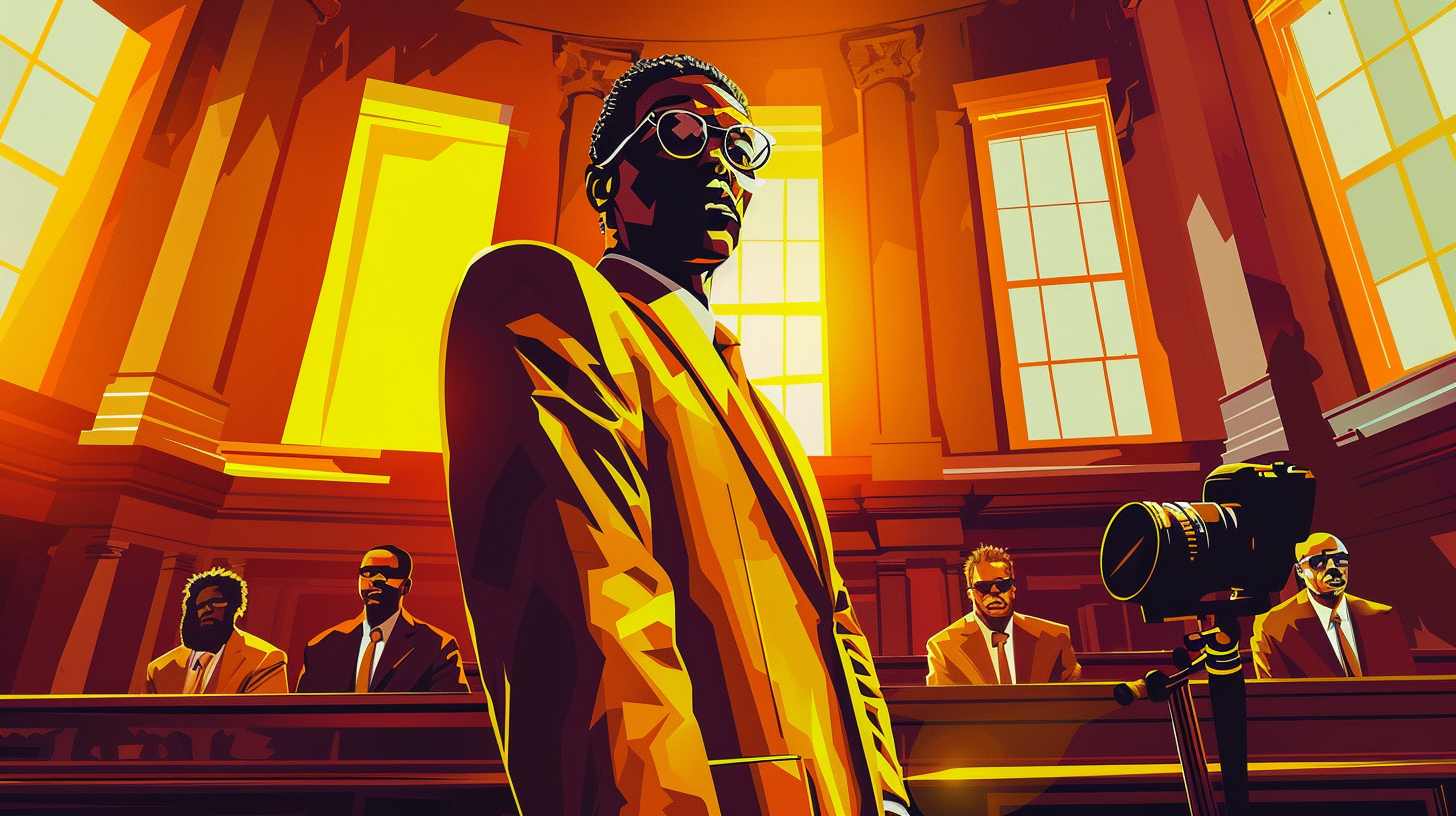
The Shadow in Music: Diddy’s Empire and a System That Erases Identity
Have you ever wondered why Sean Combs (Diddy) became more powerful than stars like Michael Jackson, Prince, or Brad Pitt? Art, like any medium, has both light and shadow. But in the world we live in, it seems the brighter the light, the deeper the darkness. We appear to be confronting a system that must be dismantled and reimagined.
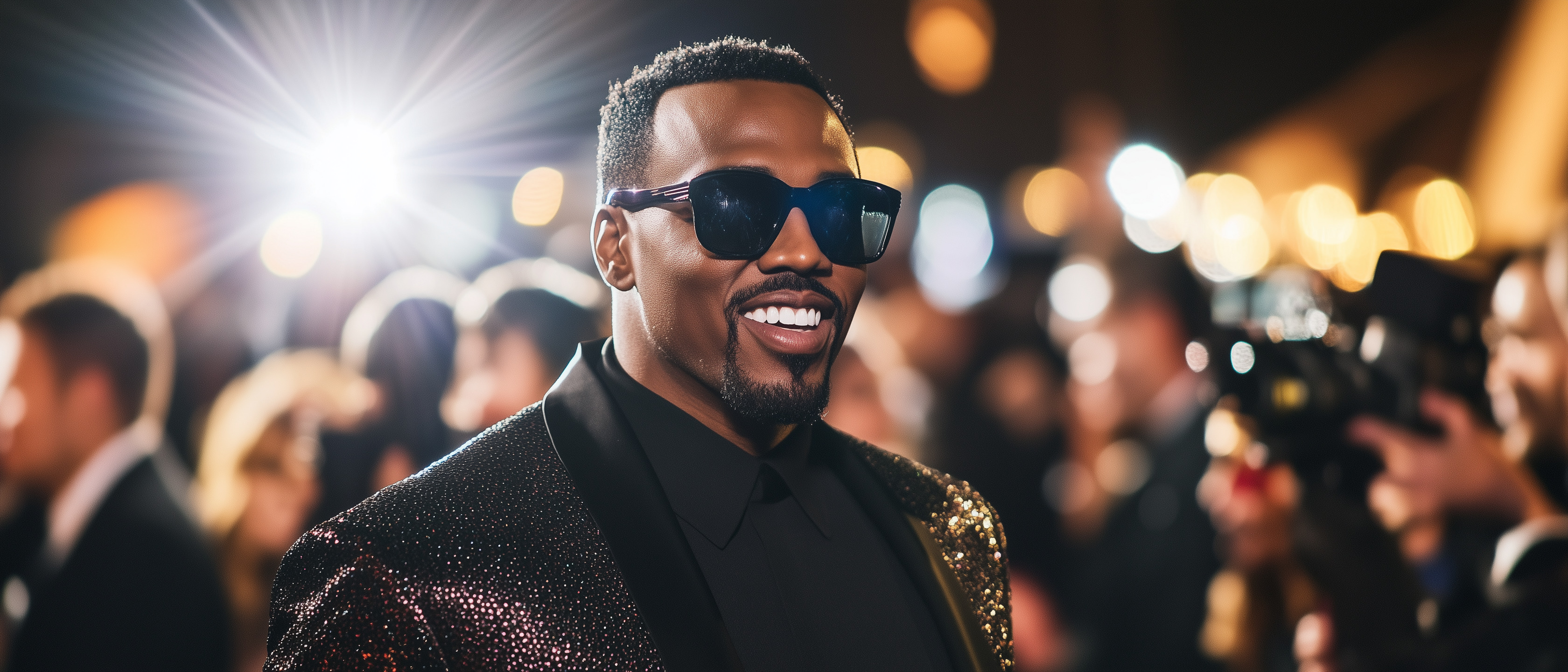
Who is Sean Combs?
Sean Combs, also known as Puff Daddy, P. Diddy, or simply Diddy, was born on November 4, 1969, in New York. He became a central figure in global hip-hop culture. In 1993, he founded the iconic Bad Boy Records, launching artists such as The Notorious B.I.G and Mase, solidifying his place as one of the music industry’s leading entrepreneurs.
Diddy expanded his reach beyond music, establishing himself as a hip-hop mogul. However, his rise has now been overshadowed by serious allegations, including sexual abuse, trafficking, and conspiracy—over 100 alleged victims are currently pursuing legal action.
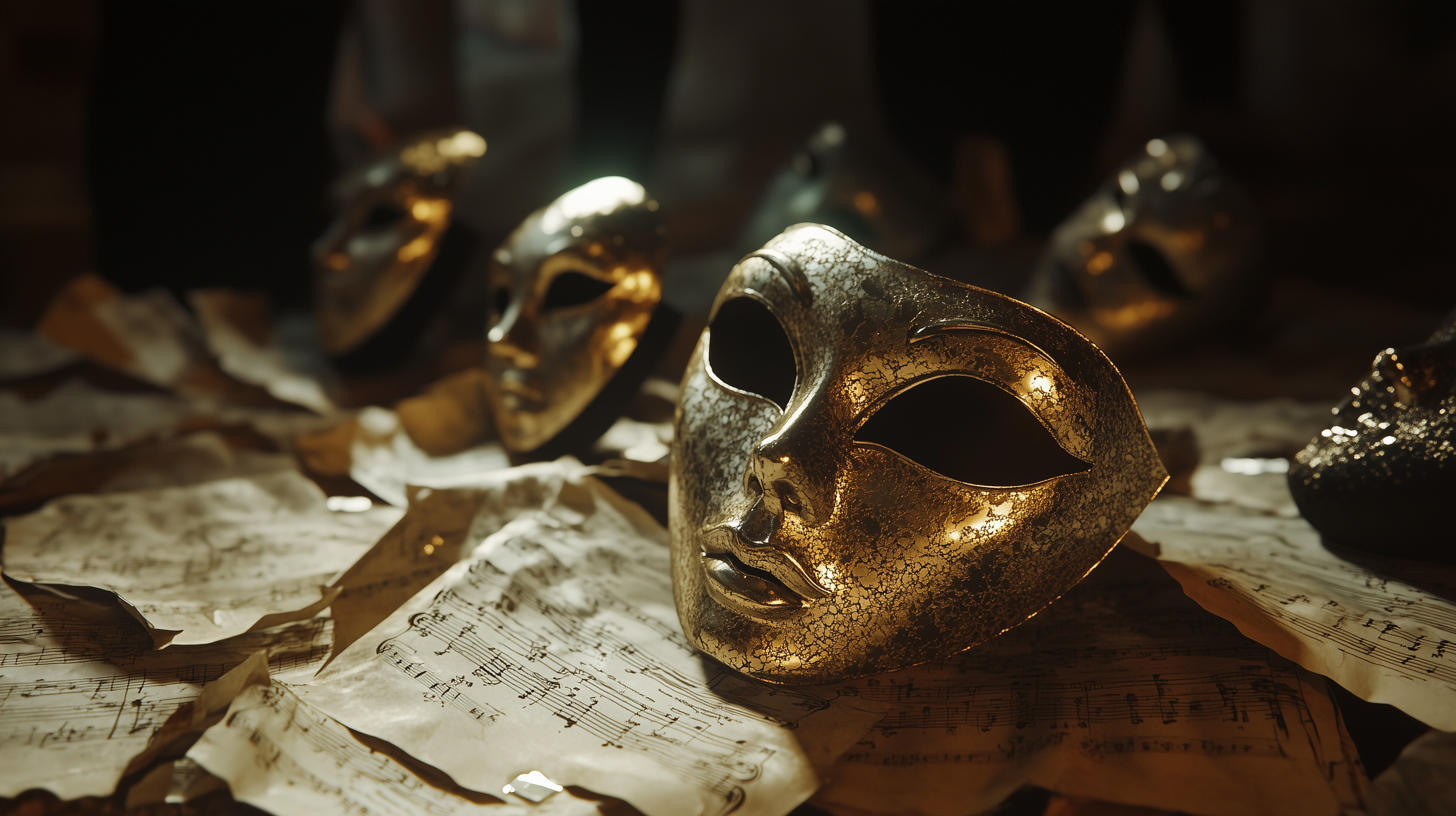
Are the Industry’s Masks Finally Falling?
The Diddy Case, extensively reported by Rolling Stone Brazil, is far more than a personal scandal. It exposes a system that turns talent into brands—and then takes those brands hostage. As Judge Arun Subramanian remarked during the trial (Rolling Stone, 06/23/2025): “There’s nothing a juror could say now that would ‘put the genie back in the bottle’ or restore the damage to his credibility.”
What’s clear is that there’s no turning back. The facts are laid bare: the abusers, the victims, the consequences, the depravity, the human dysfunction behind what heals us most—music, art. Now, it’s just a matter of time, and of determining what punishment can possibly address such prolonged and layered harm. Is there even a sentence that fits?

Do Luxury, Power, and Visibility Shield Artists?
Hollywood serves as an informal school for millions, especially younger audiences, shaping behavior, relationships, and life aspirations. It’s striking to note that Americans spend over eight hours a day consuming characters and narratives that shape their core values.
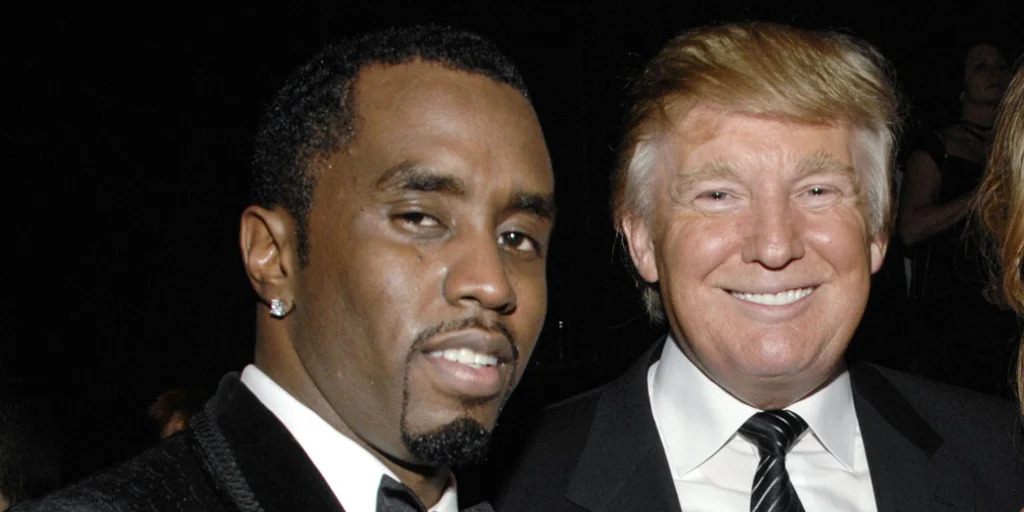
The Diddy case shocked many by exposing a system that treats artists as commercial products rather than as creators. Behind the glamour, identities are molded to serve commercial interests. Who controls whom? And what is the true value of an artist’s identity? Archive photos of Trump and Melania alongside Diddy may indicate links that reach the highest levels of government.
Which Artists Have Been Consumed by This System?
The history of music is filled with stories that illustrate this destructive pattern of control and exploitation:
Michael Jackson: From childhood, Jackson lived under intense control from both family and industry. His brilliance became a global commodity, while he became trapped by the very fame he created.
Britney Spears: Her story exemplifies how the industry commodifies talent. Under a 13-year conservatorship, she lost the right to make decisions about her career and personal life. Her Sound Branding was entirely managed by others. Forced to work against her will, she became a symbol of systemic abuse.
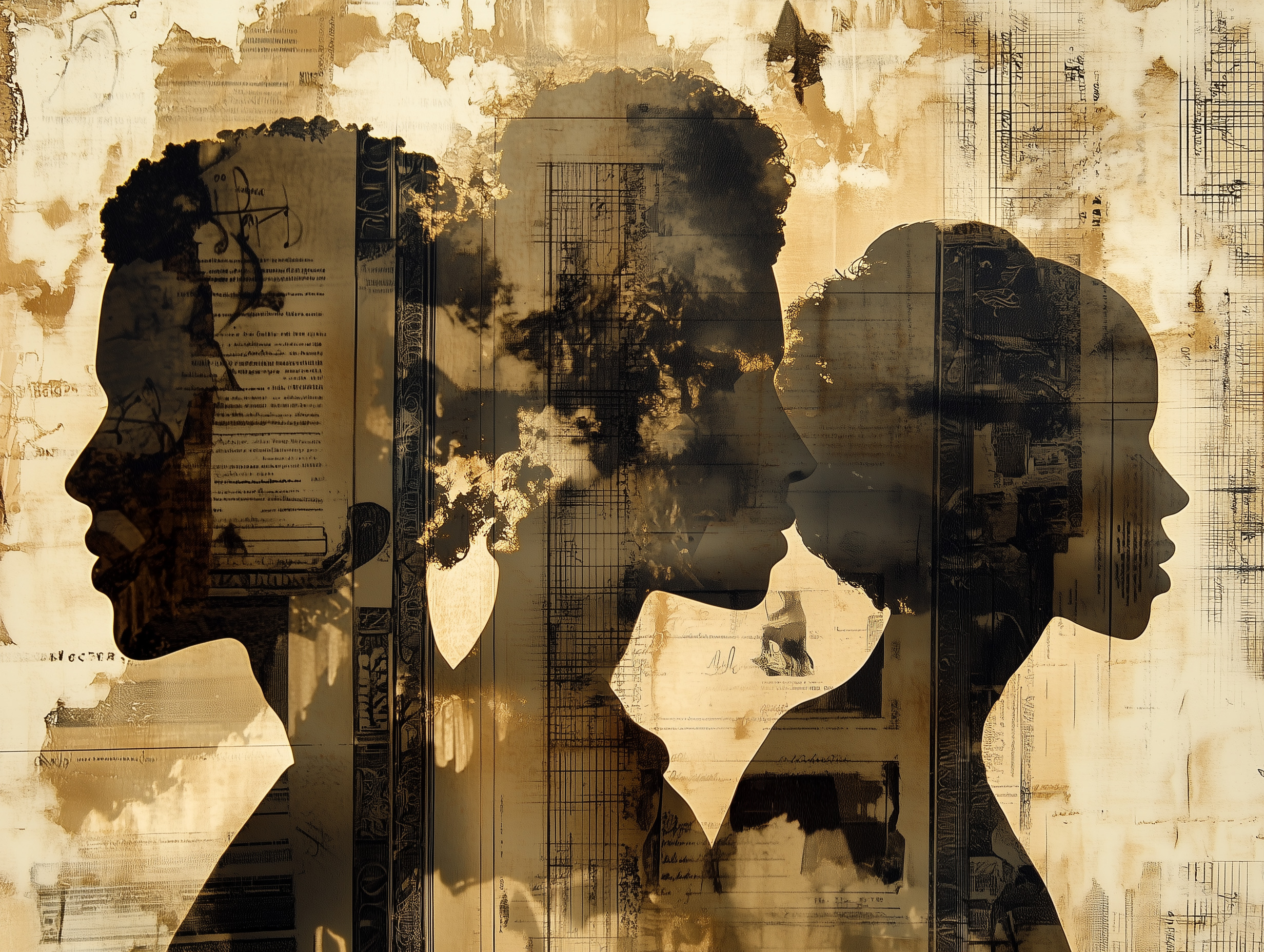
Prince: A champion of artistic independence, Prince fought against labels to maintain control over his musical identity and copyrights. He changed his name to a symbol and marked “SLAVE” on his face in protest. He paid a high price for his independence, but inspired generations to resist industry control.
Were the White Parties Paradises, or Hiding Places for an Invisible Hell?
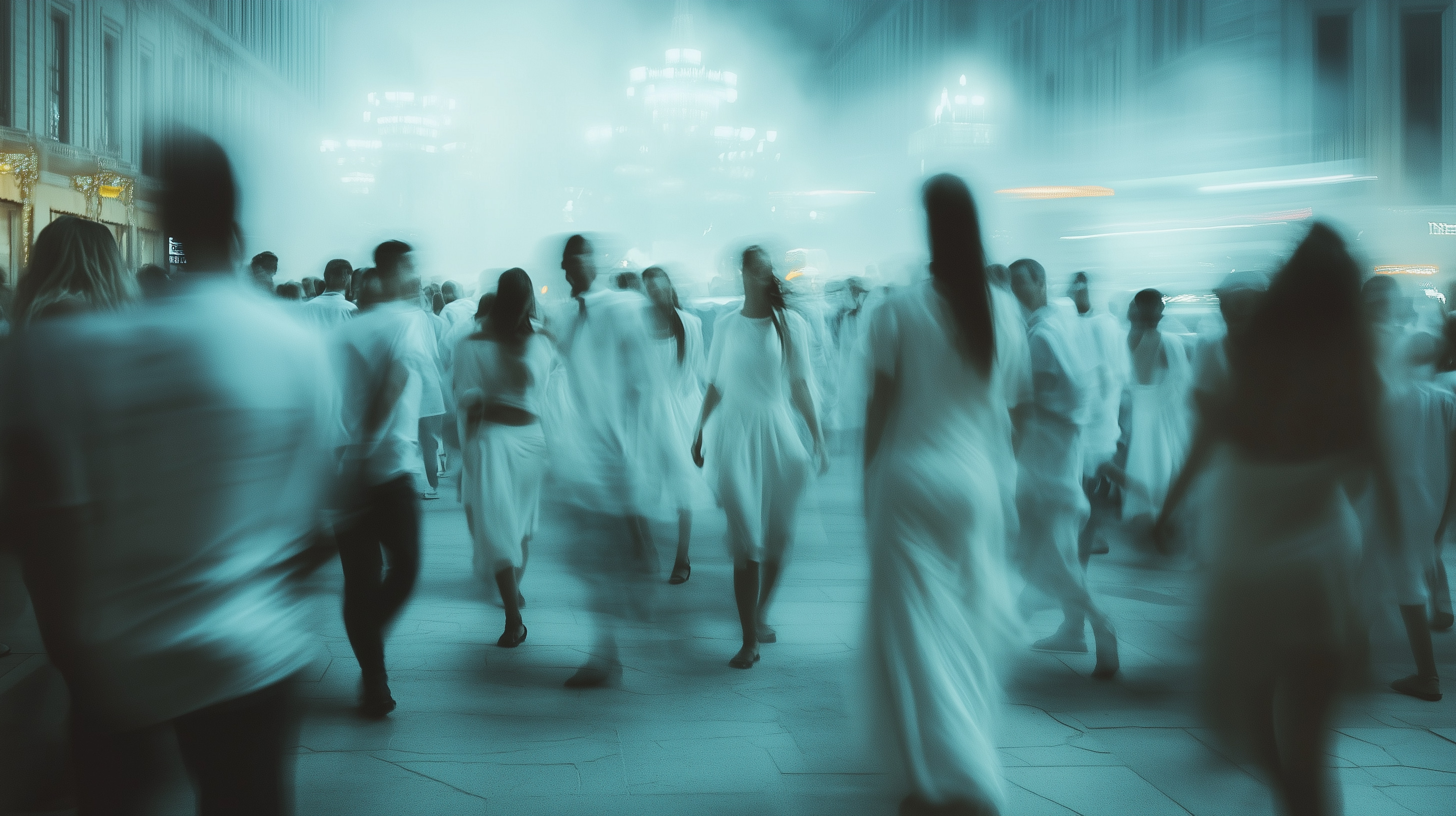
Between 1998 and 2009, Sean Combs’ “White Parties” were displays of power, where careers were sealed over champagne and forced smiles. Hosted in East Hampton, they brought together rising stars like Justin Bieber and industry icons such as Beyoncé, Jay-Z, Jennifer Lopez, and Mariah Carey.
The Ignored Signs: Neighbors told BBC News they frequently called the police due to the parties. “For six or seven years, it was just parties, parties, parties,” one neighbor said, adding she often saw women “wandering outside at all hours, looking lost, their undergarments visible.”
What Remains of Art When the System Devours It?
Faced with this bleak reality, the question arises: is a society that controls and subjugates art truly progressing?
As one contemporary music critic put it: What we want is art that breathes. We want to see artists free, whole, creative, alive. Art has the power to heal. But while it’s held captive within these dark systems—who’s healing whom?
"If art is unwell, the world is unwell."
When a Musical Identity is hijacked by commercial interests, music loses its restorative power—it becomes distorted and misplaced. Rather than amplifying voices, the system obscures authenticity. The result? Withered art, stifled artists, and a society deprived of dreams and future possibilities. How do we return music to its rightful place as a source of healing?
What Are We Really Left to Reflect On?
How many artists have been silenced forever? How many talents died before ever emerging? The industry doesn’t just sell music—it buries voices that try to speak out. The Diddy case isn’t an isolated incident. It’s the tip of the iceberg in a system that devours dreams and spits out brands. Empires built on silence and suffering always collapse. The question is: how many more will fall?
Authentic Sound Identity isn’t a luxury—it’s a human right. Every stream, every purchase, every like is a vote. Are we voting for freedom or captivity? It’s essential to become aware, to stay informed, to understand what we’re endorsing. Where are we directing our attention, our comments, our engagement?
The revolution can start now: We can stop consuming enslaved art. We can question manufactured success, and protect and support those who still dare to create with integrity.
"Without free art, there is no healing. Without free artists, there is no future."
Did you find this content insightful? Stay tuned for more analysis on the hidden layers of music and art. Want to know more about our work? Get in touch.

Next article
The Netflix of Sound: The Sonic Revolution Transforming the Corporate World
The corporate world is going through a sonic revolution: on-demand storytelling are changing the rules of corporate communication.
Read more