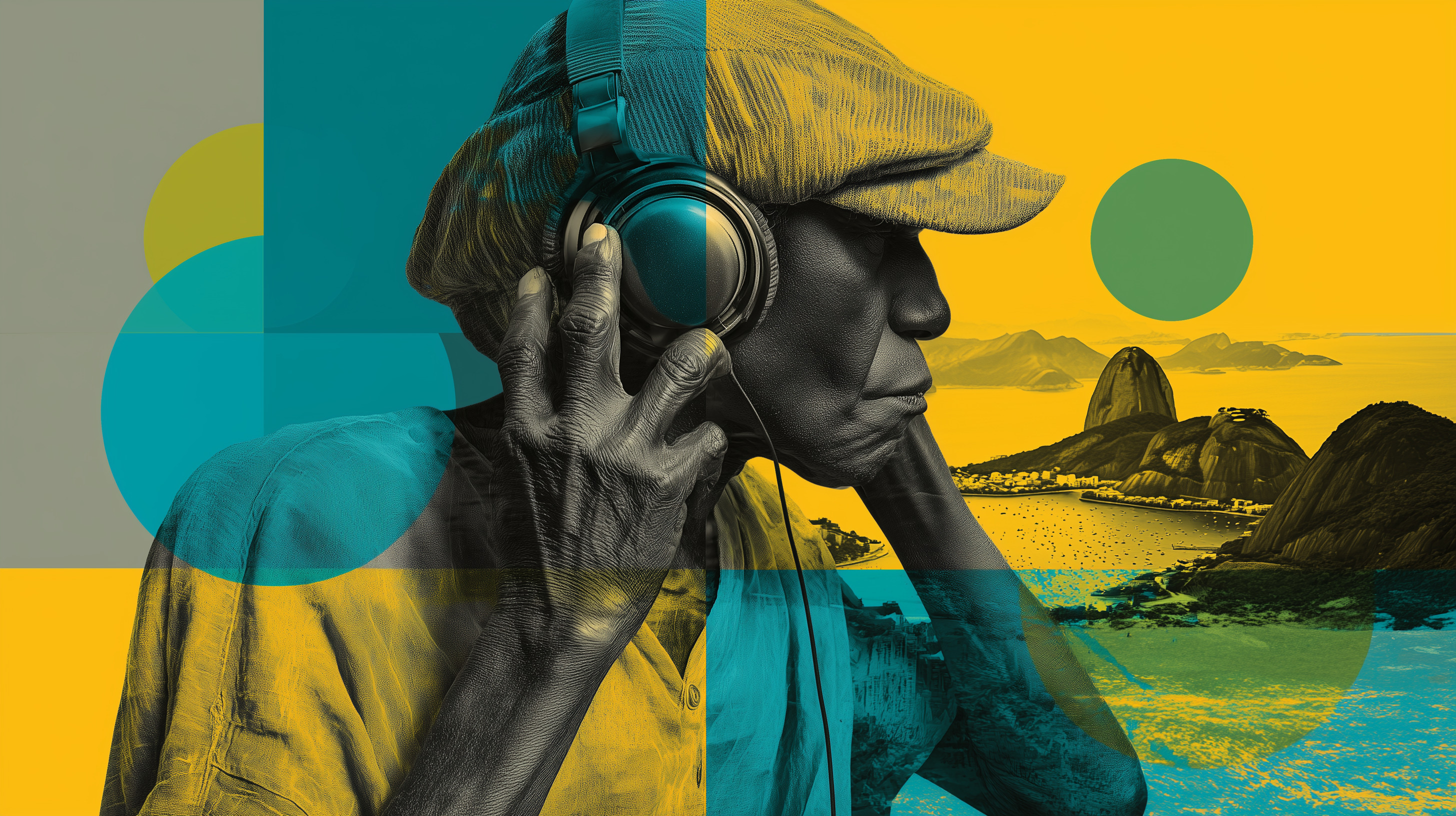
The Soft Power of Brazilian Music: sound as identity, language, and global influence
The Soft Power of Brazilian Music
When people think of Brazil, a sound almost immediately comes to mind. Before any image, a rhythm appears, a cadence, a musicality. For many foreigners, the word Brazil does not represent just a territory. It represents a sonic experience.
Brazil is, above all, a country of sound.
And it is precisely at this point that one of the greatest forces of the soft power of Brazilian music is revealed. The country’s influence in the world runs through music, language, and the way its culture manifests in vibration and sound.
Music as Brazil's greatest asset in the world
The concept of soft power, developed by Joseph Nye, describes a country’s ability to influence others through cultural attraction, not through imposition. Culture, values, and identity become strategic assets.
In this context, Brazilian music holds a central place. Artists like Tom Jobim, João Gilberto, Caetano Veloso, and Gilberto Gil, and even those who came before them like Carmen Miranda, Heitor Villa-Lobos, and Chiquinha Gonzaga, helped build an image of Brazil that transcends geographic borders. This image is sensory, emotional, and sophisticated.
Bossa nova established itself as one of the country’s greatest international symbols. Samba, in turn, carries an expansive rhythmic quality that reinforces the global perception of joy associated with the Brazilian people. But there is a deeper point.
Brazilian music carries a duality that draws attention abroad. Lyrics that speak of “saudade” (longing), pain, or love coexist with light, danceable, and luminous musical foundations. This combination creates a unique sonic signature within the cultural influence of Brazilian music worldwide.
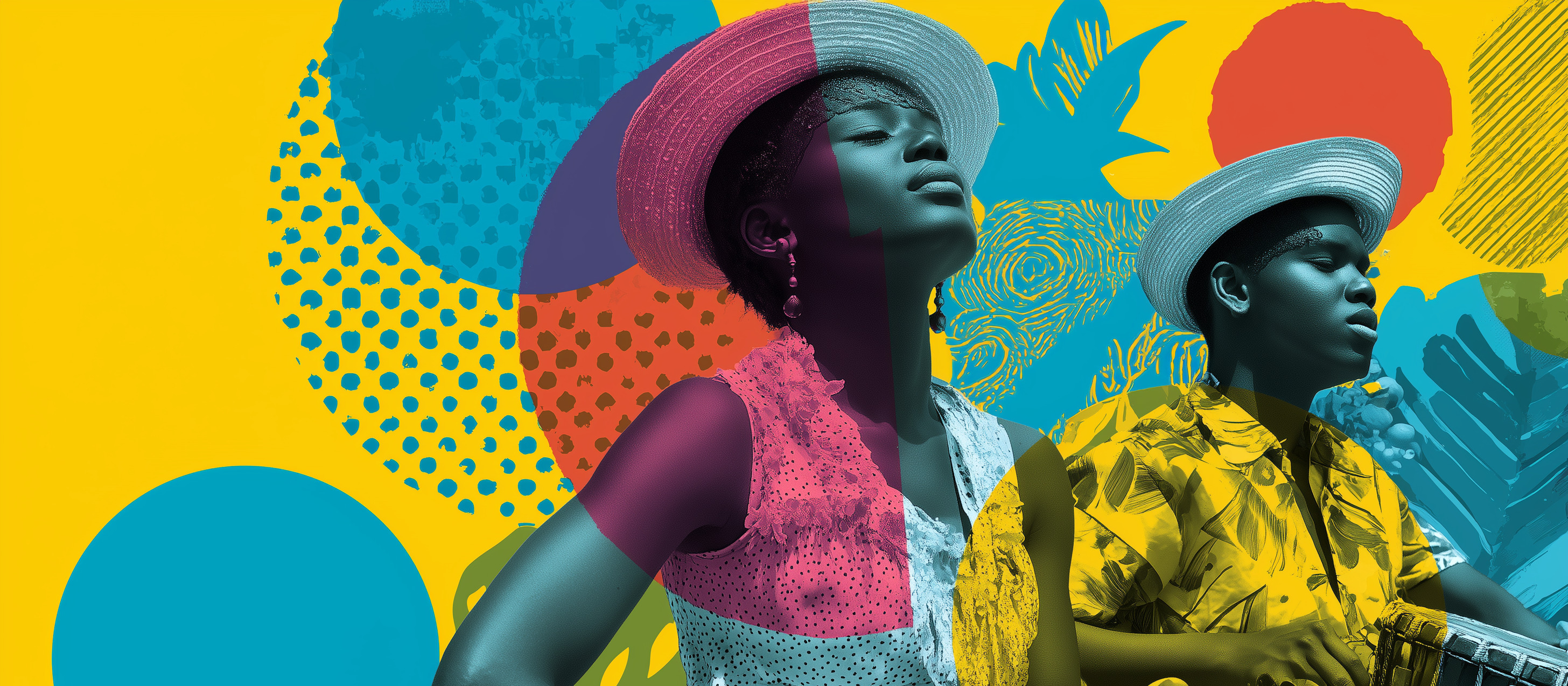
Does Brazilian Portuguese play a role in our sonic identity?
The Portuguese language spoken in Brazil is frequently perceived as music itself. Its sonic structure is marked by rhythm, fluidity, and melodic variation.
From a scientific standpoint, studies in linguistics and cognition show that prosody influences the emotional perception of language.
This perception is not merely aesthetic. Language carries cultural identity. Intonation, rhythm, and prosody directly influence how a people is perceived.
In this sense, the language already functions as an element of Brazilian sonic identity.
We are many Brazils with multiple sonic expressions
There is no single Brazilian sound. There are many Brazils within Brazil.
Each region of the country expresses its own sonic identity. Baião, frevo, coco, samba, funk, rap, and instrumental music form a diverse and integrated ecosystem.
Within samba, for example, there is a rhythmic structure that allows the incorporation of different musical languages. This characteristic makes Brazilian music highly adaptable and open.
This diversity is one of the pillars of soft power in the Brazilian sound. It expands the ability to connect with different cultures.

The harmonic sophistication of Brazilian music
Another defining factor is harmonic sophistication. Brazilian music is internationally recognized for its complexity. The chord combinations, harmonic tensions, and modulations create a meaningful density within contemporary music.
Research in music theory and perception shows that harmonic complexity is associated with greater cognitive engagement. At the same time, this complexity coexists with lightness.
This duality generates a recurring question among foreign musicians: how can something so sophisticated sound so accessible?
From cultural sound to Sound Branding
In recent years, this sonic power began expanding beyond music and moved into strategic spaces.
Concepts like Sound Branding, Music Branding, and Sonic Identity gained relevance in the market.
Sound is no longer just artistic expression, it became a tool for building perception, memory, and emotional connection. This movement accompanies studies in sensory marketing that demonstrate the impact of sound on decision-making.
Is Brazil a global sonic powerhouse?
In this scenario, Brazil holds a natural competitive advantage.
Its sonic culture is rich, diverse, and emotionally powerful. This allows the creation of authentic experiences across different contexts, from entertainment to branding.
More than producing music, Brazil produces perception. This perception creates an international image of the country as welcoming, vibrant, and sensory.
Is our sound truly a global influence asset?
Music, language, accents, and rhythms form a sonic field that crosses borders. This field creates a powerful narrative within cultural geopolitics.
Brazil does not project influence through economy or technology alone. It projects through sensation. A country that is perceived as experience. A country that is remembered by its sound.
And that is our greatest soft power, Brazilian music.
If this topic, The Soft Power of Brazilian Music, resonated with you and you want to understand how music and sonic identity can strengthen brand perception and create deep cultural connections, get in touch.

Next article
The Lost Power of Sonic Technology
Sound can move matter, heal, and completely change our reality. Could sound have helped build the pyramids? Have we lost knowledge throughout our history?…
Read more