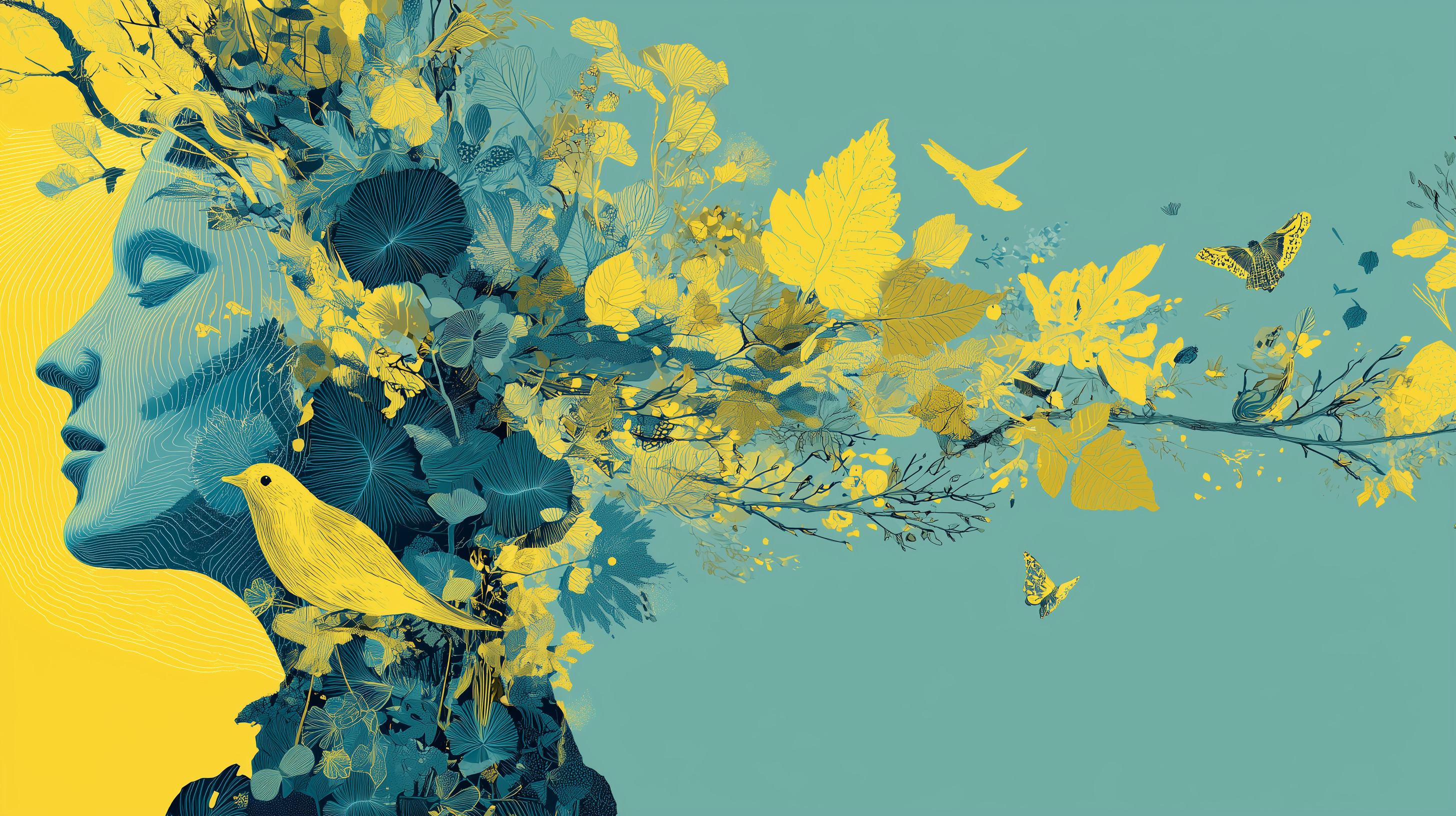
Music and Neuroplasticity
Neuroplasticity is the brain’s ability to reorganize itself, create new neural connections, and adapt through stimuli and experiences. Music is one of the most powerful stimuli in this process, as it simultaneously activates multiple areas of the brain, including auditory, motor, emotional, and cognitive regions.
We know that the potential impact of music on neuroplasticity is vast and still largely unexplored. This applies to behavior, health, and more subtle aspects of human experience, such as intuition and a more philosophical view of life. For this reason, we invite our readers to open their belief systems and explore a new world of possibilities.
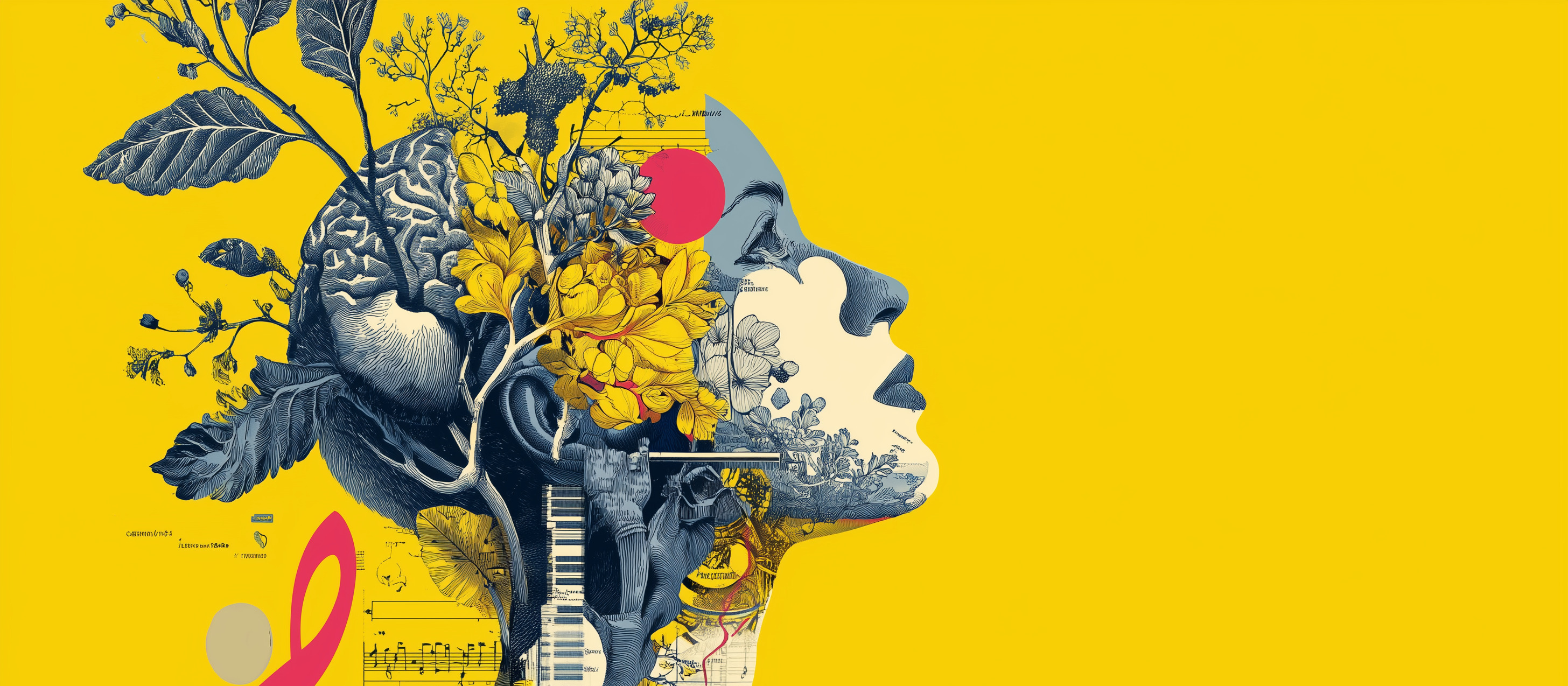
Research in neuroscience shows that listening to and practicing music can improve functions such as attention, memory, and language. One study conducted by Schlaug et al. (2005) demonstrated that musicians show greater connectivity between the cerebral hemispheres, revealing structural changes associated with musical training.
Even in non-musicians, regular listening to structured music stimulates neural patterns linked to learning.

These effects help explain why music is used in educational, therapeutic, and well-being contexts: it is not only emotional, it shapes the brain, creating more favorable conditions for learning, remembering, and recovery.
Source: Schlaug et al., Neuroplasticity and Music, Nature Reviews Neuroscience.

If you enjoyed learning how sound changes the way your brain is configured and want to understand more about how music can influence our behavior and our mental, psychological, and physical health, keep following the Blog da Zanna or get in contact with us.

Next article
The TIC Trens Sound Branding: Arriving With Purpose
TIC Trens, the operator of São Paulo’s Line 7 Ruby, is beginning a new chapter with a complete Sound Branding project. A sound identity that includes original music, sonic logos, a brand…
Read more